Family Quote Cut File: A Designer’s Review
As an embroidery designer who has spent countless hours digitizing and stitching out typography, I approach every new Family Quote Cut File with a mix of curiosity and caution. Typography is notoriously difficult to translate from screen to thread. What looks crisp in a vector preview can easily become a tangled mess of loose threads if the spacing is too tight or the details are too fine for the needle to handle. When I first opened this file, my primary goal was to determine if it was merely a decorative graphic for digital scrapbooking or a viable asset for real-world machine embroidery design applications.
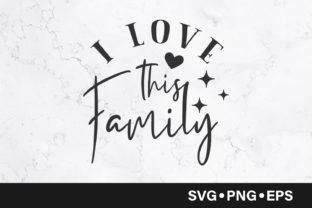
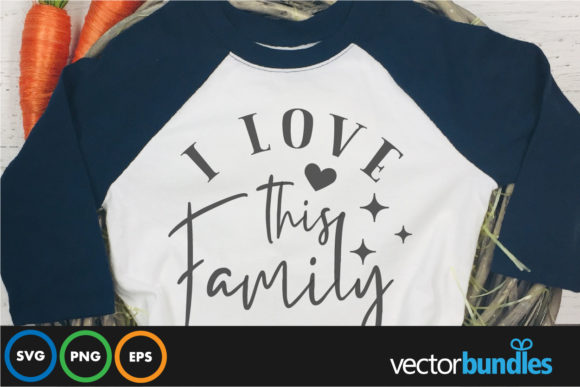
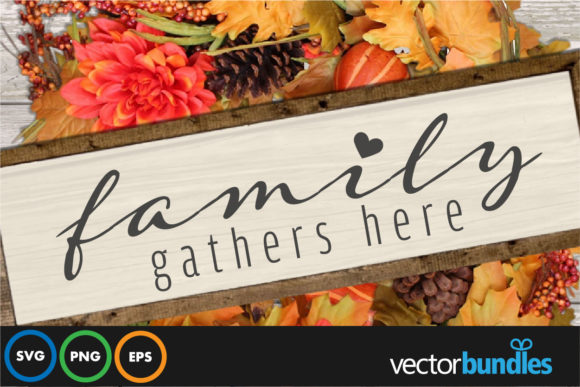
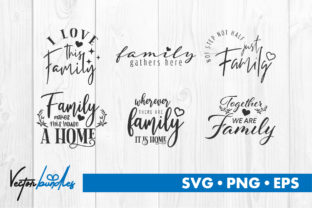
The first impression of this Family Quote Cut File is one of warmth and clarity. The lettering style strikes a balance between modern simplicity and traditional charm, making it versatile enough for various home decor and apparel projects. The layout feels intentional, with generous spacing between characters that suggests the designer understands the physical limitations of embroidery machines. For those of us in the Crafts industry, specifically those dealing with Graphics intended for physical production, this attention to legibility is the first green flag.
Real-World Application: The Custom Tote Bag Test
To truly evaluate the utility of this design, I moved beyond digital mockups and considered a tangible project: a custom embroidered canvas tote bag. This is a staple item for many Etsy sellers and small shop product lines. Canvas is a sturdy fabric, but it has a distinct weave that can swallow thin lines if the stitch density isn't adequate.
In this scenario, the Family Quote Cut File performed admirably. The boldness of the phrase ensures that the message remains readable even from a distance. When stitched out using a standard satin stitch for smaller elements and a fill stitch for larger letters, the design maintained its structural integrity. The visual personality of the quote adds immediate value to a plain tote, transforming it from a generic grocery carrier into a personalized gift or a boutique-style accessory. For craft business owners, this means higher perceived value and better customer engagement without requiring hours of complex digitizing work.
Versatility Across Apparel and Home Decor
Beyond tote bags, this design shows promise in several other categories. For sweatshirt embroidery, the design’s clean lines work well against the textured surface of fleece or cotton blends. However, I would recommend adjusting the underlay stitches to ensure the fabric doesn't pucker, a common issue with heavier garments. The quote also fits naturally into the nursery decor market. Imagine this stitched onto a baby embroidery project, such as a muslin swaddle or a felt banner. The sentiment aligns perfectly with the emotional connection parents seek in handmade items.
For holiday embroidery projects, such as kitchen towels or aprons, the design serves as a focal point. Because it is provided as an SVG and PNG, it can be easily resized or modified to fit specific hoop constraints. This flexibility is crucial for commercial embroidery where you might need to adapt a single design for a small chest logo on a polo shirt and a larger back print on a jacket. The ability to scale without losing clarity is a significant advantage of working with high-quality vector-based assets like this digital embroidery file.
Navigating Technical Challenges and Fabric Constraints
While the design is robust, it is not without its challenges. Experienced designers know that typography requires careful handling on difficult fabrics. If you are planning to stitch this on stretchy materials like jersey knits for t-shirts, using the correct stabilizer is non-negotiable. A cut-away stabilizer is often best to prevent distortion during washing. Additionally, on dark fabrics, you must consider thread contrast. While the design looks great in white on black, using low-contrast thread colors might cause the finer serifs or connecting lines to disappear into the fabric texture.
Another area for caution is curved surfaces, such as caps or hats. The hoop size limitation on cap frames means you may need to reduce the design significantly. Before committing to a final product, always test the scaled-down version on scrap fabric. Check for "bird nesting" or thread breaks in the tighter curves of the letters. If the original file includes very thin strokes, they may need to be widened slightly in your embroidery software to accommodate the thickness of the thread, especially if you are using a heavier weight thread like rayon or polyester.
Enhancing Brand Consistency and Product Value
For handmade product sellers, consistency is key to building brand trust. Using a well-balanced design like this Family Quote Cut File helps maintain a professional aesthetic across your product line. Whether you are creating embroidered patch designs for iron-on application or direct-to-garment stitching, the clean lines of this typography contribute to a polished finished look. Customers associate clean stitching with quality craftsmanship. A messy or poorly spaced quote can detract from the perceived value of the item, whereas a crisp, well-executed design reinforces the professionalism of your craft business.
Moreover, this design aids in creating compelling printable mockup assets for your online store. Since the package includes a transparent PNG, you can easily overlay the design onto product photos to show customers what the final item will look like. This visual confirmation can significantly boost conversion rates by helping buyers visualize the finished product before purchase.
Practical Notes for the Embroidery Designer
Before integrating this Family Quote Cut File into your workflow, keep these practical steps in mind:
- Test on Scrap Fabric: Always run a test stitch-out on the same type of fabric you intend to use for the final product. This allows you to adjust tension and density as needed.
- Check Thread Color Contrast: Ensure your chosen thread colors stand out against the fabric background. High contrast improves readability and visual impact.
- Review Stitch Density: If you are converting the SVG to an embroidery file yourself, pay close attention to stitch density. Too dense, and the fabric will pucker; too sparse, and the backing will show through.
- Confirm Hoop Size: Measure the design dimensions against your machine’s maximum hoop size. You may need to split the design or resize it to fit.
- Inspect Small Details: Zoom in on the vector file to check for any anchor points or nodes that might cause unnecessary stops or jumps in the stitching process.
- Verify Licensing: Although this is a cut file, if you are using it to create digital embroidery files for sale, ensure you have the appropriate commercial license. Clarify whether the license covers the sale of physical finished goods or digital derivatives.
In conclusion, the Family Quote Cut File is a solid addition to any designer’s library. It offers the flexibility needed for diverse projects, from custom apparel to home decor, while maintaining the aesthetic quality required for professional results. By understanding its technical nuances and applying best practices in stabilization and thread selection, you can leverage this design to create high-value, emotionally resonant products that resonate with your customers.