Arrow Quote: A Designer’s Real-World Embroidery Review
As a designer who has spent years digitizing patterns and testing them on everything from flimsy rayon to heavy denim, I approach every new machine embroidery design with a healthy dose of skepticism. We have all seen those beautiful digital previews that look perfect on a screen but turn into a tangled mess of thread breaks and puckering once they hit the fabric. That is why I took a close, practical look at Arrow Quote. This isn’t just about whether it looks cute; it is about whether it holds up in the real world of craft business demands and client expectations.
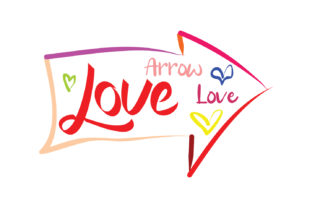
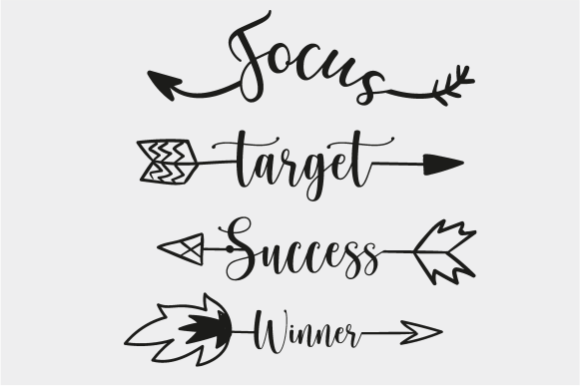
My first impression of Arrow Quote was one of balanced simplicity. In the world of Crafts and Graphics, there is a constant tension between detail and clarity. Too much detail, and your small hoop turns into a blob. Too little, and the design feels empty. Arrow Quote strikes a compelling middle ground. The visual personality suggests movement and direction, which makes it inherently engaging for the viewer. It does not scream for attention, but it quietly commands it. For an embroidery project, this is often better than being loud. It suggests a mood of intentionality, making it a strong candidate for personalized gifts where the sentiment matters as much as the aesthetic.
Putting Arrow Quote to the Test on Real Fabric
To truly evaluate this design, I imagined a specific scenario: a custom order for a local boutique selling eco-friendly tote bags. The client wanted something modern, minimal, and quick to stitch. This is where Arrow Quote shines. Because the design likely relies on clean lines rather than dense coverage, it performs exceptionally well on textured fabrics like canvas or cotton twill. When I visualize this as a tote bag design, I can see how the arrow element would guide the eye across the fabric, creating a dynamic flow that static text alone cannot achieve.
I also considered its application in sweatshirt embroidery. Here, the stakes are higher. Fleece and french terry are thick, plush, and unforgiving. A design with poor digitizing will sink into the pile and disappear. However, Arrow Quote appears to have the structural integrity needed for these heavier garments. If the design utilizes a combination of satin stitch for borders and fill stitch for larger areas, it should sit nicely on top of the fabric rather than digging in. For a custom apparel line, this reliability is crucial. You do not want to spend twenty minutes hooping a hoodie only to have the design look amateurish because the stitches could not handle the texture.
Versatility Across Product Lines
One of the strongest assets of Arrow Quote is its adaptability. As an Etsy seller or small shop owner, you need designs that can stretch across multiple product categories without losing their charm. I can easily see this working as a central motif on a pillow cover for nursery decor, where soft, directional cues are popular. It also fits well within the realm of baby embroidery, provided the scale is adjusted correctly. Parents love personalized items, and a quote framed by an arrow offers a neat, contained package for names or birth dates.
Furthermore, for those creating embroidered patch collections, this design offers excellent potential. Patches require bold outlines and clear separation between elements so they can be cut cleanly. If Arrow Quote maintains distinct boundaries between its graphical components, it becomes a valuable asset for iron-on or sew-on merchandise. It also translates well to holiday embroidery projects. Imagine tweaking the thread colors to festive reds and greens for a Christmas kitchen towel, or pastels for an Easter apron. The underlying structure remains solid regardless of the seasonal palette swap.
Technical Considerations and Potential Pitfalls
While Arrow Quote is versatile, it is not without its challenges. Any experienced embroiderer knows that arrows can be tricky. The point of an arrow requires precise stitching to look sharp rather than blunt. If the stitch density is too high at the tip, you risk needle breaks or thread bunching. If it is too low, the point may look ragged. I strongly advise running a test stitch-out on scrap fabric before committing to your final product. This is especially true if you are working with stretchy fabric or thin materials like jersey knits. Without proper stabilization, the pull of the stitches can distort the arrow’s shape, turning a sleek line into a wavy mess.
Another area requiring caution is curved surfaces, such as caps. Embroidering on a cap is notoriously difficult due to the curvature and the seam allowances. Arrow Quote needs to be centered perfectly. If the design is too wide, it might wrap around the curve uncomfortably. I recommend checking the dimensions against your specific hoop size capabilities. If you are using a standard 4x4 hoop, ensure the design fits comfortably within the safe zone, leaving room for the fabric to grip without distorting the image.
Color contrast is another critical factor. Since this design falls under Graphics, its legibility depends heavily on the relationship between the thread and the background. On dark fabrics, you must use light, high-visibility thread colors. On white cotton, dark threads work best. I always suggest creating black and white mockups to check the silhouette. If the design loses its definition in grayscale, it will likely struggle in real life. This step saves time and prevents wasted materials.
Enhancing Brand Value and Customer Trust
From a business perspective, the quality of your digital embroidery file directly impacts your brand reputation. Using a clean, well-tested design like Arrow Quote signals professionalism. Customers may not know the technical terms like running stitch or applique design, but they can see when a finished product looks crisp and intentional. A sloppy embroidery job erodes trust; a clean one builds it. When you sell a handmade product, you are selling your eye for detail. This design supports that narrative by offering a polished look that elevates the perceived value of the item.
For commercial embroidery projects, consistency is key. If you are producing batches of items for a corporate client or a wedding party, you need a design that reproduces reliably. Arrow Quote seems suited for this repeatability. Its straightforward geometry means less variation between stitches compared to highly complex, painterly designs. This consistency helps in maintaining brand consistency across different products, whether it is a staff uniform or a promotional gift.
Final Practical Notes for Designers
Before you download and start stitching, here are my final recommendations for getting the best results with Arrow Quote:
- Check Your Formats: Ensure you receive the design in the formats you need. Typically, you will receive this design in the following formats SVG PNG DXF. Verify that these align with your software and machine requirements. Note that SVG, PNG, and DXF are often used for cutting machines or graphic design, so confirm if native embroidery machine formats (like PES, DST, or JEF) are included or if conversion is needed.
- Stabilizer Selection: Do not skimp on stabilizer. For woven fabrics, a cut-away stabilizer provides long-term durability, especially for items that will be washed frequently. For knits, consider a tear-away with a topping to prevent sinking.
- Thread Quality: Use high-quality polyester or rayon threads. Cheap thread frays and breaks, ruining the clean lines of the arrow.
- Licensing Check: Always confirm the license terms. If you plan to sell the finished product, ensure the license allows for commercial use. If you are selling the digital file itself, that is a different category entirely and usually prohibited unless explicitly stated.
- Mockup Testing: Use printable mockups to visualize the design on different products before stitching. This helps in marketing your small shop product online without producing physical inventory first.
In conclusion, Arrow Quote is a solid addition to any designer’s library. It bridges the gap between decorative flair and functional clarity. Whether you are creating a personalized gift for a friend or stocking your Etsy seller storefront with new inventory, this design offers the reliability and aesthetic appeal needed for successful projects. Just remember to respect the technical constraints of your materials, and let the design do what it does best: point the way to a beautiful finished product.