Heart of Heart: A Designer’s Review for Real Embroidery Projects
As an embroidery designer who has spent years digitizing patterns and reviewing thousands of machine embroidery design files, I have learned to look past the glossy mockups. What matters is how a design behaves under the needle. Does it pull? Does it register correctly on textured fabric? Will my client love the finished product? Recently, I evaluated Heart of Heart, a digital asset that sits at the intersection of vector graphics and stitch-ready potential. This review breaks down its practical application for crafters, Etsy sellers, and boutique owners who need reliable results.
First Impressions: Mood and Visual Personality
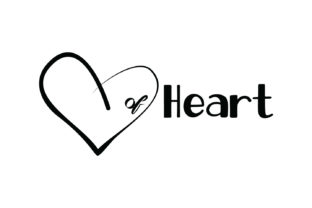
The first thing that strikes you about Heart of Heart is its emotional resonance. It is not just a shape; it is a layered concept that suggests depth and care. In the world of Crafts and Graphics, simplicity often wins, but this design offers a nuanced layout that feels both modern and timeless. The visual personality is soft yet structured, making it versatile enough for a wide range of applications. Whether you are aiming for a romantic aesthetic for wedding gifts or a clean, minimalist look for everyday apparel, the core theme adapts well.
From a design perspective, the balance between negative space and filled areas is crucial. A cluttered design can become a nightmare to stitch, especially on smaller items. Heart of Heart appears to maintain a thoughtful distribution of detail. This suggests that when converted into an embroidery file, it should retain clarity without requiring excessive thread counts that might stiffen the fabric.
Real-World Application: The Custom Tote Bag Test
To truly understand the value of a design, you must imagine it in a real-life scenario. Let’s consider a custom embroidered tote bag, a staple product for many small shop owners. Tote bags are typically made from canvas or heavy cotton, which have a distinct weave and texture. When I visualize Heart of Heart on this surface, I look for how the lines interact with the fabric grain.
If this design utilizes a mix of satin stitch borders and fill stitch interiors, it will pop beautifully against the neutral background of a natural canvas tote. The contrast creates a tactile experience that customers love. For an Etsy seller, this means higher perceived value. A flat print looks cheap; an embroidered Heart of Heart looks like a handmade product crafted with intention. It transforms a simple bag into a personalized gift that feels special.
Apparel and Custom Sweatshirts
Moving from accessories to apparel, let’s discuss sweatshirt embroidery. Fleece and French terry fabrics are thick and plush. Here, the density of the design becomes critical. If Heart of Heart is too dense, it will create a hard patch that feels uncomfortable against the skin or causes the garment to pucker. However, if the design incorporates open spaces or uses a lighter stitch density, it will sit comfortably on the chest or sleeve.
I recommend using this design on the left chest area for a subtle, professional look, or centered on the back for a bold statement piece. For custom apparel businesses, offering this design on hoodies and crewnecks can expand your product line significantly. It appeals to those looking for cozy, sentimental items, perfect for Valentine’s Day or anniversary gifts.
Navigating Technical Challenges
No design is perfect for every situation. As a reviewer, I must highlight where Heart of Heart requires caution. One common issue with intricate heart designs is the performance on stretchy fabrics. If you are embroidering on a thin jersey t-shirt, the pull of the stitches can distort the shape. To mitigate this, you must use a high-quality cut-away stabilizer. Never skip this step. The stability of your final product depends on the foundation you build beneath the threads.
Another consideration is curved surfaces, such as caps. Embroidering on a cap requires a design that is not too tall, or it will wrap around the curve and distort. If Heart of Heart has a vertical orientation, you may need to resize it carefully to fit within the standard cap hoop. Always check the dimensions against your machine’s maximum hoop size before starting. Additionally, tiny details can get lost if the design is scaled down too much for an embroidered patch. Ensure that any fine lines remain thick enough to be stitched cleanly by your machine.
Fabric Texture and Thread Colors
The interaction between thread and fabric defines the success of any embroidery project. On dark fabrics, light-colored threads will stand out, but you must ensure the underlying fabric does not show through the stitches. This might require an underlay stitch or a slightly higher density. Conversely, on light fabrics, dark threads provide sharp contrast. I advise testing Heart of Heart in black and white mockups first to see how the shapes read without color distraction. This helps you identify any potential registration issues where colors might overlap incorrectly.
When selecting thread colors, consider the mood. Soft pastels enhance the gentle nature of the heart, while bold primaries make it pop for holiday embroidery or children’s items. For baby embroidery, stick to softer, matte threads to avoid irritation on sensitive skin.
Commercial Viability and Brand Consistency
For commercial embroidery professionals, consistency is key. You need designs that reproduce reliably across hundreds of units. Heart of Heart seems suited for this due to its clear structure. However, before selling finished items, you must verify the licensing terms. The product description mentions various file formats, including AI, CDR, DXF, and EPS. These are primarily vector graphics files used for cutting machines or graphic design, not necessarily native embroidery formats like PES or DST.
This is a crucial distinction. If you are an Etsy seller or run a craft business, you need to know if these files are ready-to-stitch or if they require digitizing. The inclusion of DXF and EPS suggests compatibility with cutting machines like Silhouette Studio, which opens up possibilities for hybrid projects—perhaps cutting vinyl hearts and combining them with embroidery. Always confirm whether the license allows for commercial use of the finished product. Protecting your business legally is as important as the artistic quality of the design.
Practical Designer Notes for Best Results
To get the most out of Heart of Heart, follow these practical steps:
- Test on Scrap Fabric: Always stitch a test sample on the same type of fabric you intend to use for the final product. This reveals tension issues and density problems early.
- Check Stitch Density: If the design feels stiff after stitching, reduce the density in your editing software if possible, or choose a thinner thread.
- Inspect Small Details: Zoom in on the digital file. Are there tiny elements that might break during washing? Simplify if necessary.
- Use Proper Stabilizer: Match your stabilizer to your fabric. Cut-away for knits, tear-away for wovens.
- Verify File Formats: Since the download includes AI, CDR, DXF, and EPS files, ensure you have the software to open them. If you need native embroidery files, check if they are included or if you need to digitize the vectors yourself.
- Consider the End Use: Will this item be washed frequently? If so, ensure the threads are colorfast and the stitching is secure.
Final Verdict
Heart of Heart is a compelling addition to your library of design assets. Its strength lies in its versatility and emotional appeal. For the small shop product lineup, it offers a blend of professionalism and warmth that resonates with buyers. Whether you are creating a tote bag design, a personalized baby blanket, or a boutique branding element, this graphic holds up well under scrutiny. Just remember to respect the technical requirements of embroidery. With the right stabilizer, thread choice, and fabric preparation, Heart of Heart can elevate your commercial embroidery offerings and delight your customers with its thoughtful execution.