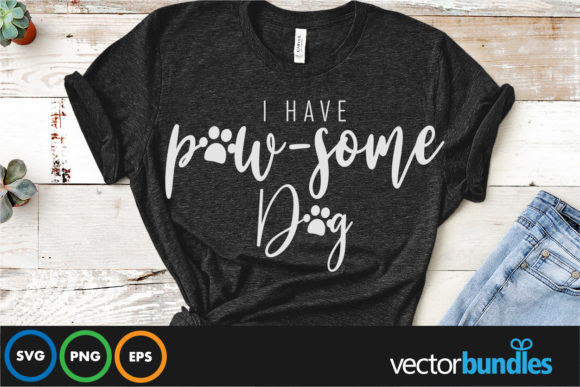
I Have Pawsome Dog: A Designer’s Review
As an embroidery designer who has spent years digitizing patterns and testing them on everything from flimsy rayon to heavy denim, I approach every new machine embroidery design with a critical eye. It is not enough for a graphic to look cute on a screen; it must translate flawlessly into thread. Recently, I evaluated the I Have Pawsome Dog design to determine its viability for real-world projects. This review breaks down how this asset performs in actual production environments, offering practical insights for fellow designers, Etsy sellers, and craft business owners.
First Impressions and Visual Personality
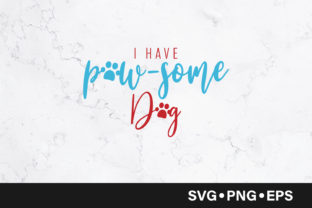
The initial appeal of I Have Pawsome Dog lies in its playful yet clean aesthetic. The typography suggests a lighthearted mood, perfectly suited for pet lovers, while the accompanying imagery balances whimsy with clarity. For those of us working in Crafts and Graphics, the distinction between a vector file and a stitched outcome is vast. This design appears to have been created with scalability in mind. The lines are distinct, avoiding the muddy overlap that often plagues poorly constructed digital assets.
When I first loaded the files into my software, I noticed the versatility of the provided formats. Receiving SVG, PNG transparent, and EPS files means this is not just an embroidery-specific tool but a comprehensive design asset. This allows for seamless integration into hybrid projects where you might combine heat transfer vinyl with stitching, or use the PNG for printable mockups before committing to thread.
Real-World Application: The Custom Tote Bag Test
To truly understand the value of an embroidery file, you must imagine it on a finished product. I visualized this design on a canvas tote bag, a staple item for small shop products. The layout of I Have Pawsome Dog works exceptionally well here. The horizontal orientation fits comfortably within standard hoop sizes, allowing for a centered placement that draws the eye without overwhelming the fabric.
For an Etsy seller, this type of design is gold. It appeals to a specific niche—dog owners—who are often willing to pay a premium for personalized items. Imagine offering this as part of a "Pet Parent" collection. The clarity of the design ensures that even from a distance, the message is readable. In a boutique setting, this kind of immediate visual communication drives impulse buys. The design does not require excessive explanation; it speaks directly to the customer’s identity.
Apparel and Soft Goods Considerations
Moving beyond totes, I considered how this would look on custom apparel. A sweatshirt embroidery project requires careful attention to stitch density. If the design relies heavily on dense fill stitches, it can make a garment stiff and uncomfortable. However, looking at the structure of I Have Pawsome Dog, it seems conducive to a mix of satin stitch borders and lighter fill areas. This balance is crucial for wearability.
For baby embroidery, such as on onesies or burp cloths, the simplicity of the design is a major advantage. Complex, tiny details often get lost or cause irritation on sensitive skin. This design’s bold lines suggest it would hold up well on softer fabrics, provided the correct stabilizer is used. It creates a charming, gift-ready aesthetic that resonates with parents looking for unique, handmade items.
Technical Performance and Stitching Clarity
The core of any professional review is technical performance. How does the design handle the transition from digital to physical? The inclusion of SVG and EPS formats indicates that the original artwork is vector-based. This is significant for embroidery digitizers. Vector paths allow for precise conversion into stitch types like running stitch, satin stitch, or fill stitch. If you are digitizing this yourself, these source files provide a clean roadmap, reducing the time spent cleaning up nodes and anchor points.
However, if you are purchasing this as a pre-digitized pattern, you must verify the stitch count and density. While the visual Graphics are clean, the underlying stitch file determines the success of the project. I recommend running a simulation in your embroidery software to check for potential thread breaks or jumps. Pay close attention to any small lettering or intricate paw details. These areas are prone to tangling if the stitch density is too high or if the needle size is inappropriate for the thread weight.
Fabric and Hoop Constraints
Not every fabric behaves the same way. When working with textured fabrics like terry cloth or waffle knit, the crisp edges of I Have Pawsome Dog might soften. In such cases, using a cutaway stabilizer is non-negotiable to maintain shape. Conversely, on thin or stretchy fabrics, the design could pucker if the tension is not adjusted. I advise testing the design on scrap fabric identical to your final product. This simple step saves hours of frustration and prevents wasted materials.
Curved surfaces, such as caps, present another challenge. The design’s width must fit within the curved hoop area without distortion. If the text is too long, it may wrap awkwardly around the cap’s crown. Measure your hoop size carefully. For standard caps, you may need to scale the design down, ensuring that the smaller text remains legible. If the letters become too small, they may merge during stitching, ruining the readability of the phrase.
Commercial Viability and Brand Consistency
For commercial embroidery projects, consistency is key. Using a design like I Have Pawsome Dog across multiple product lines helps build brand recognition. Whether it is on an apron, a pillow cover, or a kitchen towel, the consistent visual style reinforces your shop’s identity. Customers appreciate this professionalism. It signals that you care about quality and cohesive design.
Moreover, the versatility of the file formats supports various marketing strategies. Use the PNG transparent file for social media posts or website banners. Use the SVG for creating matching vinyl decals to pair with the embroidered items. This multi-channel approach maximizes the value of a single purchase, making it a cost-effective addition to your library of digital embroidery file resources.
Practical Designer Notes for Best Results
To ensure the best outcome with this design, keep the following tips in mind:
- Test Thread Contrast: Choose thread colors that stand out against your fabric. High contrast enhances readability, especially for the text portion of the design.
- Check Licensing: Before selling finished items, confirm the license terms. Some designs allow commercial use for physical products but restrict the resale of the digital file itself.
- Inspect Small Details: Zoom in on the digital file to identify any tiny elements that might be difficult to stitch. Consider simplifying these areas if necessary.
- Use Proper Stabilizer: Match your stabilizer to your fabric. Tear-away for stable woven fabrics, cut-away for knits, and wash-away for delicate materials.
- Mockup in Black and White: Convert the design to grayscale in your software. This helps you see the contrast and detail level without the distraction of color.
In conclusion, I Have Pawsome Dog is a strong contender for designers looking to expand their pet-themed offerings. Its clean lines, versatile formats, and appealing theme make it suitable for a wide range of applications, from personalized gifts to boutique merchandise. By paying attention to technical details like stitch density and fabric choice, you can transform this digital asset into a high-quality finished product that delights customers and strengthens your brand. Always remember to test thoroughly and respect licensing agreements to maintain professionalism in your craft business.