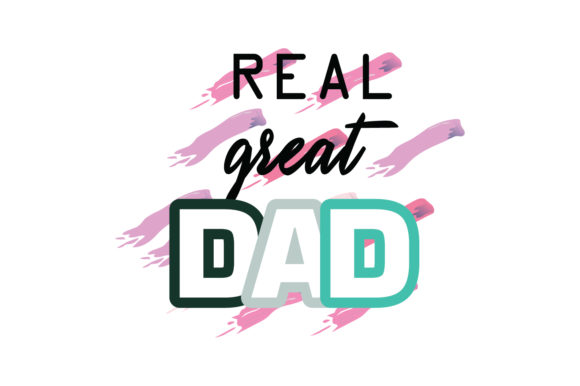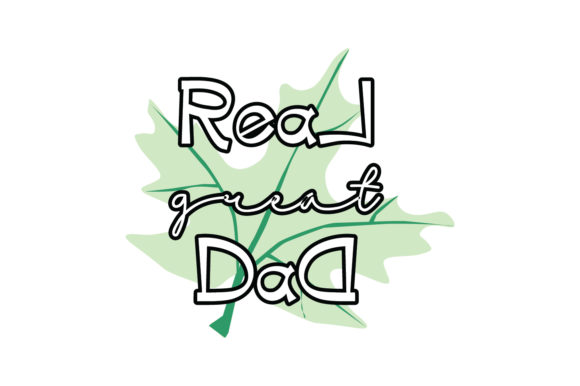
Reviewing Real Great Dad Quote for Embroidery
As a designer who spends more time staring at stitch simulations than I care to admit, I have learned that not all digital assets translate well to thread. Some designs look fantastic on a screen but turn into a tangled mess of bobbin thread and frustration once they hit the fabric. When I first pulled up Real Great Dad Quote, my initial reaction was cautious optimism. The typography is bold, which is usually a good sign for embroidery, but the devil is always in the details. I wanted to see if this design could hold its own in a real-world production environment, specifically for the small business owners and hobbyists who rely on consistent quality.
First Impressions and Visual Personality
The immediate mood of Real Great Dad Quote is warm and appreciative without being overly sentimental or cliché. It strikes a balance between modern graphic design and traditional craftsmanship. For those of us working in Crafts and Graphics, we know that legibility is king. If a customer has to squint to read "Dad," the design has failed. This layout appears to prioritize clear letterforms, which suggests it will stitch out cleanly provided the digitizing matches the visual weight of the font.
I appreciate designs that do not try to do too much. Overly complex elements often lead to high stitch counts and long run times, which eat into profit margins for Etsy sellers and boutique owners. This quote seems streamlined, making it a strong candidate for quick-turnaround projects like last-minute Father’s Day gifts or birthday surprises. The visual personality is versatile; it feels equally at home on a rugged canvas tote as it does on a soft baby onesie, assuming the scale is adjusted correctly.
Real-World Application: The Sweatshirt Test
To truly evaluate a machine embroidery design, you have to imagine it on a finished product. I mentally placed this design on a heather grey crewneck sweatshirt, a staple in any custom apparel lineup. The contrast potential here is excellent. On a medium-weight fleece, the text needs to stand out without sinking into the nap of the fabric.
If I were producing this for a client, I would likely opt for a slightly thicker thread weight or a double-pass technique if the digitizing allows, to ensure the letters pop against the textured background. This is where the concept of a personalized gift comes to life. A dad wearing a sweatshirt with this quote isn't just wearing clothes; he is wearing a statement of pride. For small shop product lines, this kind of emotional connection drives sales. It transforms a basic garment into a keepsake.
Versatility Across Product Lines
Beyond apparel, I see strong potential for this design in home goods. Imagine it stitched onto a sturdy linen tote bag design for a weekend market run, or perhaps as a central feature on a kitchen towel. The linear nature of the quote makes it ideal for rectangular spaces. For embroidered patch creators, this could be a bestseller if bordered correctly. Patches are trending, and a clean, readable quote allows for easy iron-on application, expanding the utility for customers who do not own embroidery machines.
For baby embroidery projects, such as a bib or a burp cloth, the scale must be reduced carefully. While the design is robust, shrinking it too much can cause the stitches to merge, losing the definition between letters. I would recommend testing a smaller version on scrap fabric to ensure the negative space remains visible. This attention to detail is what separates a amateur hobbyist from a professional craft business owner.
Technical Considerations and Stitching Clarity
When evaluating any digital embroidery file, we must consider the technical execution. Although the product description mentions vector files like AI, CDR, DXF, and EPS, it is crucial to understand that these are primarily cut files or design sources. For actual machine embroidery, you need a properly digitized embroidery file (such as PES, DST, or JEF). If you are using the vector files to create your own digitization, pay close attention to corner sharpness. Sharp corners in vectors often need to be rounded slightly in embroidery to prevent thread breaks and puckering.
Stitch density is another critical factor. If the design relies heavily on fill stitch areas, it may become stiff, especially on lighter fabrics. A mix of satin stitch for outlines and lighter fill or running stitch for internal details often yields a softer hand feel. This is particularly important for items that will be worn directly against the skin, like t-shirts or baby clothes. A stiff, dense design can be uncomfortable and may warp the fabric over time.
Navigating Fabric Challenges
Not all fabrics behave the same way. When stitching Real Great Dad Quote on stretchy materials like jersey knits, a proper stabilizer is non-negotiable. I recommend a cut-away stabilizer for garments that will be washed frequently, as it provides lasting support. For woven fabrics like cotton twill or denim, a tear-away might suffice, but always test first.
Dark fabrics present their own challenge. If you are stitching light thread on a black hoodie, you must ensure there are no gaps in the stitching that reveal the dark fabric underneath. This is where checking your thread colors and tension settings becomes vital. A slight overlap in stitch paths can help cover the base fabric, but it must be balanced against the risk of bulkiness.
Commercial Viability and Brand Consistency
For commercial embroidery professionals, consistency is key. You need to know that the tenth item looks exactly like the first. This design’s simplicity works in its favor here. Fewer complex elements mean fewer variables that can go wrong during production. It allows for faster hooping and quicker cycle times, which directly impacts profitability.
Furthermore, using high-quality design assets like this helps build brand trust. Customers associate clean, crisp embroidery with professionalism. A sloppy stitch-out can damage your reputation, but a well-executed quote enhances perceived value. Whether you are creating a printable mockup for your online store or photographing the finished product for social media, the clarity of this design will photograph well, aiding in marketing efforts.
Practical Designer Notes for Best Results
Before you commit to a full production run, take these practical steps:
- Test on Scrap Fabric: Always stitch a sample on the exact fabric type and weight you plan to use for the final product. This reveals issues with tension, density, and stabilizer choice.
- Check Hoop Size: Ensure the design fits comfortably within your hoop with adequate margin for clamping. Do not push the design to the very edge of the hoop area.
- Verify File Compatibility: Since the download includes vector formats (AI, CDR, EPS, DXF), confirm if you have the corresponding embroidery file format for your specific machine. If you are digitizing from the vector, inspect node points for smooth curves.
- Contrast Check: View the design in black and white to ensure the letterforms remain distinct without color reliance. This helps in selecting thread colors that provide sufficient contrast against various fabric backgrounds.
- Licensing Confirmation: Always review the license terms before selling items made with this design. Understand whether it allows for unlimited commercial sales or if there are restrictions on quantity.
In conclusion, Real Great Dad Quote offers a solid foundation for a variety of embroidery projects. Its strength lies in its clarity and emotional resonance. By paying attention to technical details like stabilizer choice, stitch density, and fabric compatibility, you can transform this digital asset into a high-quality handmade product that customers will cherish. Whether you are an experienced apparel decorator or a weekend warrior with a home machine, treating the design with respect and preparation will yield the best results.