Walking Dad Quote: A Designer’s Review for Embroidery Projects
As an embroidery designer who has spent years digitizing and testing designs for real-world application, I approach every new machine embroidery design with a critical eye. It is not just about whether the artwork looks good on a screen; it is about how it translates to thread, how it behaves on fabric, and ultimately, how it resonates with the end customer. Recently, I evaluated the Walking Dad Quote, a piece that sits at the intersection of sentimental value and modern graphic simplicity. For those of us in the craft business, finding designs that balance emotional appeal with technical stitchability is key to creating successful handmade products.
First Impressions and Visual Personality
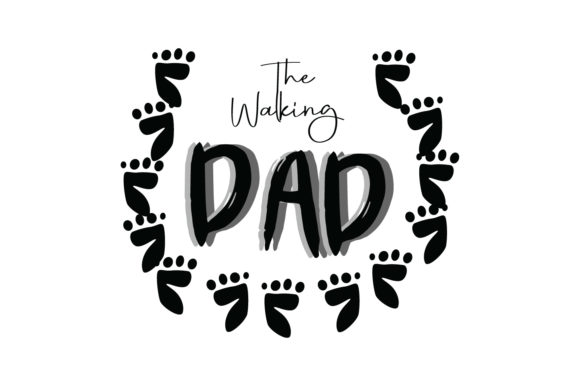
The first thing that strikes you about the Walking Dad Quote is its clean, narrative-driven layout. Unlike overly complex illustrations that can become muddy when stitched out, this design relies on strong silhouettes and legible typography. The mood is warm, nostalgic, and grounded. It captures a universal moment—the steady, protective presence of a father figure—without resorting to cliché imagery. From a graphic design perspective, the balance between the visual element and the text is well-considered. There is enough negative space to allow the fabric to breathe, which is crucial for maintaining clarity in embroidery.
For Etsy sellers and small shop owners, this visual personality is a asset. It fits seamlessly into categories like nursery decor, Father’s Day gifts, and family-themed apparel. It does not scream for attention; rather, it invites a closer look, which is exactly what you want in a personalized gift. The design feels contemporary yet timeless, making it versatile for various demographics, from young parents buying baby clothes to adult children purchasing commemorative items.
Real-World Application: The Tote Bag Test
To truly understand the potential of the Walking Dad Quote, I visualized it on a heavy canvas tote bag. This is a popular item for craft fairs and boutique shops. On a textured fabric like canvas, the design’s bold lines hold up exceptionally well. The quote acts as a focal point, centered perfectly to draw the eye. When stitched with a contrasting thread color—say, a deep navy on natural beige cotton—the details pop without looking chaotic.
I also considered its application on custom apparel, specifically a men’s sweatshirt. Here, the scale becomes important. The design needs to be sized correctly to sit comfortably on the chest or back without overwhelming the garment. Because the Walking Dad Quote avoids excessive density, it remains flexible enough to move with the fabric. This is a significant advantage for wearable items. Stiff, dense embroidery can make a sweatshirt uncomfortable, but a well-digitized design like this maintains the soft hand-feel customers expect from high-quality custom apparel.
Versatility Across Product Lines
Beyond tote bags and sweatshirts, this design shows promise in several other areas:
- Baby Embroidery: Scaled down, it works beautifully on onesies or baby blankets, offering a sweet keepsake for new fathers.
- Embroidered Patches: The clear outlines make it an excellent candidate for iron-on or sew-on patches, which are trending in streetwear and casual fashion.
- Kitchen Towels and Aprons: For holiday embroidery or housewarming gifts, the design adds a personal touch to functional home goods.
- Nursery Decor: Stitched onto a pillow cover or wall hanging, it serves as gentle, meaningful decor for a child’s room.
Technical Considerations for Embroiderers
While the aesthetic appeal is strong, practical execution requires attention to detail. As a reviewer, I must highlight where caution is needed. The Walking Dad Quote includes text, which always demands precision. If you are working with a small hoop size, ensure that the lettering remains legible. Tiny serifs or thin strokes can get lost if the stitch count is too low or if the fabric texture is too rough.
Stabilizer selection is critical here. For stretchy fabrics like t-shirts or knit sweatshirts, a cut-away stabilizer is non-negotiable to prevent puckering. For woven fabrics like tote bags or aprons, a tear-away stabilizer may suffice, but testing is essential. Always test the design on scrap fabric first. This allows you to check thread tension and ensure that the satin stitch edges are smooth and the fill stitch areas are even.
Another factor is thread color contrast. On dark fabrics, you may need to use an underlay stitch or a lighter top thread to ensure the design stands out. Conversely, on light fabrics, avoid threads that are too similar in shade to the background, as the texture of the stitches might disappear visually. I recommend creating printable mockups or digital previews in both black and white to gauge contrast before threading your machine.
File Formats and Workflow Integration
One of the strengths of this product package is the variety of file formats provided. Your download includes the following 8 files, which cater to different workflows:
- 1 file Ai: For open Adobe Illustrator, allowing for vector editing and scaling without loss of quality.
- 1 file Cdr: For open CorelDRAW, useful for designers in that ecosystem.
- 1 file DXF: A cut file for your Cutting Machine Silhouette Studio, enabling hybrid projects that combine embroidery with vinyl or paper cuts.
- 1 file EPS: A versatile vector format compatible with many design programs.
Note that while these vector and cut files are excellent for graphic design, printing, and cutting applications, you must ensure you have the corresponding embroidery machine files (such as PES, DST, or JEF) if you intend to stitch the design directly. The description mentions "Graphics" and "Crafts," indicating a multi-use asset. If you are strictly an embroiderer, verify that the package includes the specific machine formats compatible with your brand of embroidery machine. If not, you may need to use the vector files to generate your own stitch file using digitizing software, or confirm with the seller if machine files are included in the full 8-file set.
Commercial Value and Brand Consistency
For commercial embroidery projects, consistency is key. The Walking Dad Quote offers a professional look that enhances brand trust. When customers receive a finished product with clean, crisp stitching and a thoughtful design, they are more likely to leave positive reviews and return for future purchases. This design supports that goal by being straightforward and emotionally resonant.
However, always check the licensing terms before selling finished items. Most designers allow commercial use for physical products, but restrictions may apply to digital resale. Ensure you understand these boundaries to protect your craft business. Using high-quality design assets like this can elevate your Etsy listings, making your shop appear more curated and professional.
Final Verdict
The Walking Dad Quote is a solid addition to any designer’s library. It balances sentiment with style, making it suitable for a wide range of embroidery projects. Whether you are creating a holiday gift, a boutique product, or a personalized keepsake, this design offers the clarity and charm needed to succeed. Just remember to respect the technical requirements of embroidery: test your stabilizers, mind your hoop sizes, and choose your threads wisely. With proper execution, this design will deliver a finished product that customers cherish.