Sweet and Sassy Quote: A Designer’s Real-World Embroidery Review
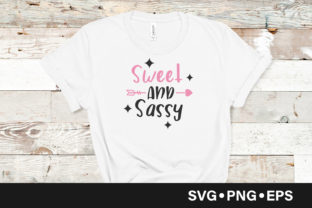
As a designer who spends more time staring at stitch simulations than I care to admit, I have learned that not every cute graphic translates well into thread. We often browse marketplaces looking for the perfect machine embroidery design, drawn in by bold typography or witty phrases, only to realize later that the details are too fine for a standard hoop or the density is a nightmare for stretchy fabrics. That is why I took a closer look at Sweet and Sassy Quote. This isn’t just another digital asset; it is a potential cornerstone for a small shop product line if handled correctly.
The first impression of Sweet and Sassy Quote is one of playful confidence. The visual personality leans heavily into modern, hand-lettered aesthetics, which is currently dominating the handmade market. For embroidery designers and Etsy sellers, this mood is crucial. It suggests a product that is fun, approachable, and highly giftable. However, my job is to look past the initial charm and evaluate how this embroidery file behaves when the needle actually hits the fabric.
From Screen to Stitch: Evaluating Visual Appeal
When I opened the files included in the package—specifically the SVG and PNG transparent versions—I was looking for clean lines and balanced negative space. In the world of Crafts and Graphics, a design can look perfect on a white background but fail miserably when converted into satin stitches or fill stitches. The layout of Sweet and Sassy Quote appears to prioritize readability, which is the most important factor for text-based designs. If your customers cannot read the sassy phrase from three feet away, the design has failed its primary purpose.
The shape and theme suggest versatility. It does not feel overly seasonal, meaning it is not limited to holiday embroidery. Instead, it fits comfortably into year-round categories like custom apparel, tote bag designs, and personalized gifts. The visual weight seems balanced, avoiding the common pitfall of having one side of the design significantly heavier than the other, which can cause hoop burn or fabric distortion during stitching.
Real-World Application: The Tote Bag Test
To truly understand the value of this design, I imagined a specific real-life scenario: creating a batch of canvas tote bags for a local boutique. Canvas is a sturdy fabric, but it has a distinct texture. When applying a design like Sweet and Sassy Quote, the interaction between the thread and the fabric weave becomes critical.
For this project, I would likely use a medium-weight stabilizer to ensure the fabric does not pucker under the stitch density. The quote’s structure allows for creative thread color choices. A high-contrast combination, such as white thread on a navy bag, would make the letters pop, enhancing the "sassy" attitude of the phrase. Alternatively, using tonal threads—like cream on beige—creates a subtle, sophisticated look that appeals to a different demographic. This flexibility is what makes a design asset valuable for a craft business. It allows you to create multiple SKUs from a single digital embroidery file.
Beyond tote bags, consider sweatshirt embroidery. Here, the fabric is thicker and often fleecy. The design must be robust enough to sit on top of the pile without getting lost. If the lines in Sweet and Sassy Quote are too thin, they may disappear into the fabric texture. In such cases, I recommend testing a slightly larger hoop size or adjusting the stitch width if your software allows for editing the SVG before conversion. This level of attention to detail separates amateur hobbyists from professional embroidery designers.
Navigating Technical Challenges
While the aesthetic appeal is strong, we must discuss where caution is needed. Not every surface is friendly to text-based designs. Curved surfaces, such as caps or hats, present a unique challenge. The curvature can distort the perception of the letters, making them appear warped. If you plan to use Sweet and Sassy Quote for cap embroidery, ensure the design is centered perfectly and consider using a stiffer stabilizer to maintain shape integrity.
Another area of concern is small hoop sizes. If you are working with a 4x4 inch hoop, you must verify that the entire phrase fits without compromising the legibility of smaller letters. Tiny lettering often suffers from thread bunching, where the satin stitch becomes so dense that it creates a raised, bulky texture that feels uncomfortable against the skin. This is particularly important for baby embroidery or items worn directly against the body. Always check the stitch density before committing to a final run.
Dark fabrics also require strategic planning. If you are stitching a light-colored quote on a black garment, you may need an underlay stitch or a backing layer to prevent the dark fabric from showing through the gaps in the thread. This is a common issue with running stitch outlines that are not properly compensated for in the digitizing process. Since the product description mentions receiving SVG, PNG, and EPS files, remember that these are primarily graphic formats. You will need to digitize them into a machine-readable format (like DST or PES) unless a pre-digitized version is explicitly provided. Always confirm license terms and file compatibility before starting commercial embroidery projects.
Boosting Brand Value and Customer Trust
Why does the choice of design matter for your brand? Because consistency builds trust. When a customer buys a personalized gift from your small shop, they are buying into your aesthetic. Using a well-balanced design like Sweet and Sassy Quote signals professionalism. It shows that you care about clarity, quality, and presentation.
Furthermore, this type of design is highly shareable on social media. A clear, witty phrase on a finished product encourages users to take photos and tag your business. This organic marketing is invaluable for Etsy sellers and creative entrepreneurs. The design acts as a conversation starter, increasing buyer engagement and potentially leading to repeat customers.
Practical Notes for the Embroidery Designer
Before you launch this design into your production line, follow these practical steps:
- Test on Scrap Fabric: Never skip this step. Stitch the design on the same type of fabric you intend to sell. Check for puckering, thread breaks, and overall appearance.
- Check Thread Contrast: View your design in black and white mockups. If the design loses its definition in grayscale, it may lack sufficient contrast for certain fabric combinations.
- Inspect Small Details: Zoom in on the corners of the letters. Are there sharp points that might snag? Smooth these out in your digitizing software if necessary.
- Confirm Licensing: Ensure you have the right to use the design for commercial purposes. Selling finished items is different from selling the digital file itself.
- Use Proper Stabilizer: Match your stabilizer to your fabric. Cut-away for knits, tear-away for wovens. This decision impacts the longevity of the embroidered patch or garment.
In conclusion, Sweet and Sassy Quote offers a solid foundation for a variety of embroidery projects. Its strength lies in its adaptability and clear visual communication. By respecting the technical limitations of embroidery machines and fabrics, you can transform this simple graphic into a high-value handmade product. Whether you are decorating aprons, pillow covers, or kitchen towels, the key is to let the design breathe and to prioritize stitch quality over speed. With careful execution, this design can become a staple in your craft business portfolio.