Eat Sleep Gym Repeat: A Designer’s Real-World Embroidery Review
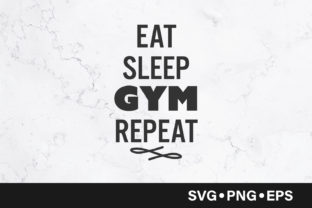
As a designer who spends more time staring at stitch simulations than I do sleeping, I have learned that not every graphic translates well to thread. We live in an era where digital assets are abundant, but finding a machine embroidery design that balances aesthetic appeal with technical feasibility is rare. Recently, I pulled the Eat Sleep Gym Repeat file into my workspace to evaluate its potential for real-world application. This is not just a review of a pretty picture; it is an assessment of how this design performs when the needle hits the fabric.
First Impressions and Visual Personality
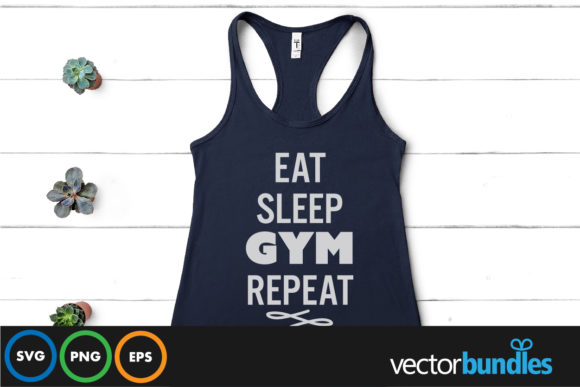
The first thing that strikes you about Eat Sleep Gym Repeat is its straightforward, motivational energy. It taps into the fitness culture narrative that dominates social media and gym apparel today. Visually, the layout is clean. It does not rely on overly complex shading or intricate gradients that often cause headaches during digitizing. Instead, it leans on strong typography and recognizable iconography. For an embroidery project, this simplicity is a virtue. Complex designs often suffer from thread breaks or puckering if not perfectly digitized, but a bold, graphic approach like this tends to stitch out cleanly, provided the underlying file is well-structured.
The mood is energetic yet disciplined. It feels at home on performance wear, but its versatility allows it to cross over into casual lifestyle products. When I look at the lines, I am checking for potential jump stitches or dense areas that might stiffen the fabric. The design appears to favor clarity, which is essential for readability from a distance, whether it is on a back panel of a jacket or the chest of a tee.
Real-World Application: The Sweatshirt Test
To truly understand the value of this asset, I imagined a specific client scenario. A local fitness coach wanted branded merchandise for her new training group. She needed something that looked professional but approachable. I visualized Eat Sleep Gym Repeat centered on the left chest of a high-quality heather grey sweatshirt. This is a classic placement for custom apparel.
In this context, the design shines. The contrast between the thread colors and the heather fabric would need careful selection. I would likely recommend a bright white or electric blue thread to pop against the grey. The stitch density becomes critical here. If the fill areas are too dense, the sweatshirt fabric will pucker, creating an unsightly ripple effect around the design. If it is too light, the grey fabric will show through, making the logo look cheap. A well-digitized version of this graphic should use a balanced fill stitch pattern that covers the fabric without weighing it down.
Beyond sweatshirts, this design has strong potential for tote bags. A canvas tote bag design featuring this motif appeals to gym-goers who carry their gear in style. Canvas is forgiving and sturdy, handling higher stitch counts well. Here, the durability of the thread matters as much as the look. Polyester thread is ideal for items that will be tossed in gym bags and washed frequently.
Navigating Technical Challenges
While the design is appealing, there are areas where caution is necessary. One common pitfall with text-based graphics is legibility at smaller sizes. If you attempt to shrink Eat Sleep Gym Repeat for a small hoop, such as a 4x4 inch hoop on a cap or a baby item, the letters may merge. The spaces between letters, known as tracking, must be sufficient to prevent thread buildup. I always advise testing the design on scrap fabric before committing to the final product. This "test stitch" reveals if the running stitch outlines are holding the edges properly or if the satin stitches are twisting.
Fabric texture also plays a massive role. On textured fabrics like terry cloth towels or fleece, small details can get lost. The loops of the towel can obscure fine lines. In such cases, using a stabilizer is non-negotiable. A cut-away stabilizer provides permanent support, ensuring the design remains stable even after repeated washing. For stretchy fabrics, like performance leggings or yoga tops, a tear-away stabilizer might not be enough; you need something that moves with the fabric to prevent distortion.
Another consideration is the color palette. While the digital file offers flexibility, embroidery is limited by thread availability. You cannot simply pick any hex code from a screen. You must match your design to standard thread charts. I recommend creating mockups in black and white first. If the design loses its impact without color, it relies too heavily on hue rather than shape. A strong embroidery file should hold its form regardless of color choice.
Commercial Viability for Etsy Sellers and Makers
For Etsy sellers and small shop owners, this design fits squarely into the profitable niche of personalized gifts and hobby-specific merchandise. The fitness market is evergreen. People are constantly looking for unique ways to express their dedication to health. A finished product featuring Eat Sleep Gym Repeat can be marketed as a motivator, a gift for a personal trainer, or a staple for a home gym setup.
However, commercial success depends on presentation. High-quality photos are essential. Since this is a digital asset, you are selling the potential of the design. Your mockups must show realistic textures. Show the sheen of the thread. Show the slight raise of the stitches against the fabric. This builds trust with buyers who want to know what the finished product will actually look like. Avoid flat, sterile images. Instead, stage the item in a relevant environment—a gym bag, a water bottle nearby, natural lighting.
It is also crucial to understand the licensing terms. The product description notes that you receive SVG, PNG, and EPS formats, compatible with software like Cricut Design Space and Silhouette. This suggests the primary intent might be for cutting machines or print-on-demand rather than traditional needle-and-thread machine embroidery. As a designer, I must clarify: if you are using this for actual machine embroidery, you need to ensure the file is properly digitized for stitching. SVGs and EPSs are vector graphics; they are not stitch files. You may need to use embroidery software to convert these vectors into a stitch file, adjusting densities and underlays manually. Always confirm licensing before selling finished items or digital products derived from this asset.
Practical Designer Notes for Best Results
To get the most out of this design, follow these practical steps:
- Test on Scrap Fabric: Never skip this step. It saves money and reputation.
- Check Thread Contrast: Ensure your thread colors stand out against the fabric background.
- Review Stitch Density: Adjust density based on fabric weight. Lighter fabrics need lighter density.
- Confirm Hoop Size: Make sure the design fits your hoop without excessive re-hooping.
- Inspect Small Details: Zoom in on the digital file to check for tiny elements that may not stitch well.
- Use Proper Stabilizer: Match the stabilizer to the fabric type and design size.
- Verify Licensing: Understand what you are allowed to do with the file, especially for commercial sales.
In conclusion, Eat Sleep Gym Repeat is a solid candidate for various Crafts and Graphics projects, provided you approach it with a designer’s eye for detail. It offers a clean, modern look that resonates with current trends. By paying attention to technical execution—stabilization, thread choice, and fabric compatibility—you can transform this digital file into a high-value, tangible product that customers will appreciate and wear with pride.