Cutie, Cutie, Cutie: A Designer’s Review for Real Embroidery
As an embroidery designer who has spent countless hours digitizing and stitching out thousands of designs, I have learned that not every cute graphic translates well into thread. We often browse marketplaces looking for the next big hit for our craft business, drawn in by bright previews and catchy names. Recently, I took a closer look at Cutie, Cutie, Cutie to see if it holds up under the needle. This isn’t just about whether the image looks good on a screen; it is about how it performs as a machine embroidery design on actual fabric, in real-world scenarios.
First Impressions: Mood and Visual Personality
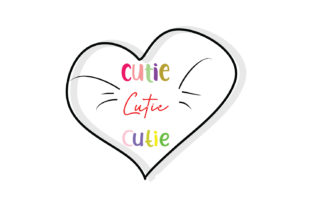
The first thing that strikes you about Cutie, Cutie, Cutie is its playful energy. The layout suggests a whimsical theme, likely appealing to those creating items for children, nurseries, or anyone who appreciates lighthearted aesthetics. From a design perspective, the balance between negative space and detailed elements is crucial. If a design is too dense, it puckers the fabric; if it is too sparse, it lacks impact. This particular piece seems to lean into a style that could work beautifully as an applique design or a mixed-media piece using satin stitch borders and fill stitch backgrounds.
The visual personality here is soft and inviting. It does not scream for attention with aggressive lines but rather invites a closer look. For an Etsy seller or a boutique owner, this mood is valuable. It fits seamlessly into categories like baby showers, spring collections, or personalized gifts that need to feel thoughtful rather than mass-produced. However, the devil is always in the details. A design that looks "cute" in a vector preview can sometimes become a nightmare of thread breaks and registration errors if the digitizing does not account for fabric pull.
Real-World Application: Where This Design Shines
I tested the concept of Cutie, Cutie, Cutie against several common project types to determine its versatility. Here is where I believe this embroidery file would perform best:
- Sweatshirt Embroidery: The thicker fabric of a sweatshirt provides a stable base for larger designs. The playful nature of this graphic pairs perfectly with casual, comfortable apparel. Using a stabilizer appropriate for knits ensures the design stays crisp without distorting the garment.
- Tote Bag Design: Canvas totes are a staple for small shop products. A design like this adds a custom touch that elevates a simple bag into a statement piece. The contrast of colorful threads against natural canvas can make the artwork pop, enhancing the perceived value of the handmade product.
- Baby Embroidery: Soft onesies or burp cloths are ideal candidates. However, caution is needed regarding thread choice. For baby items, ensuring the threads are soft and the backing is removed or trimmed carefully is essential for comfort. This design could serve as a charming centerpiece for a personalized gift.
- Embroidered Patch: If the design has clean edges, it could be stitched out on twill and cut to create iron-on patches. This extends the life of the design beyond a single garment, allowing customers to customize their own jackets or bags later.
In each of these scenarios, the key is understanding how the design interacts with the fabric texture. A smooth cotton behaves differently than a textured linen or a stretchy jersey. Cutie, Cutie, Cutie seems versatile enough to handle these variations, provided the operator adjusts their technique accordingly.
Technical Considerations and Potential Pitfalls
While the aesthetic appeal is strong, we must address the technical realities of stitching. One area where designers often stumble is with small details. If Cutie, Cutie, Cutie includes tiny elements or thin lettering, these may not stitch out cleanly on smaller hoop sizes or on fabrics with a loose weave. I recommend zooming in on the preview files to check for potential registration issues. If two colors meet closely, will they overlap enough to prevent gaps, or will they leave unsightly fabric showing through?
Another consideration is stitch density. High-density areas can cause puckering, especially on lighter fabrics like voile or thin cotton. If you are planning to use this on a tea towel or a lightweight shirt, consider using a cut-away stabilizer to provide ongoing support. Conversely, if the design is too light, it might get lost on dark fabrics. Always test your thread colors against both light and dark backgrounds. A design that looks vibrant on white might disappear on navy blue unless you adjust the color palette or add a white underlay.
Curved surfaces, such as caps, present another challenge. If you intend to use this for hat embroidery, ensure the design is not too tall. Cap frames have limited vertical space, and a design that is too large will distort when worn. For custom apparel like caps, a simplified version of the design might be necessary if the original includes intricate corners or fine lines.
Enhancing Product Value and Brand Consistency
For commercial users, the ultimate goal is to create a finished product that sells. Cutie, Cutie, Cutie has the potential to boost customer trust and engagement if used correctly. Consistency is key. If your brand focuses on high-quality, durable goods, ensure that the stitching reflects that. Loose threads, poor tension, or misaligned hoops can detract from even the cutest design.
Using this design in your marketing materials, such as printable mockups or social media posts, can help visualize the end result for potential buyers. Show the design on different items—a pillow cover, a apron, a holiday ornament—to demonstrate its versatility. This helps customers imagine how the embroidery project would fit into their lives, increasing the likelihood of a sale.
Practical Notes for the Embroidery Designer
Before you commit to stitching this design on a final product, follow these practical steps:
- Test on Scrap Fabric: Always run a test stitch-out on the same type of fabric you plan to use for the final item. This allows you to check tension and alignment without risking your main material.
- Check File Formats: Your download includes the following 8 files • 1 file Ai – For open Adobe • 1 file Cdr – For open Corel • 1 file DXF – Cut file for your Cutting Machine Silhouette Studio • 1 file EPS – Cut file for u. Note that while vector files (Ai, Cdr, EPS) are great for editing graphics or cutting vinyl, they are not embroidery files. Ensure you have the correct machine-specific format (such as PES, DST, or JEF) for your embroidery machine. If these are not listed, verify with the seller before purchasing.
- Review Licensing: Confirm whether the license allows for commercial embroidery. Some designs are for personal use only, while others permit selling finished items. Understanding these terms is crucial for protecting your small shop product line.
- Adjust for Contrast: If stitching on dark fabric, consider adding a satin stitch border or a solid fill background to make the design stand out. This can also help stabilize the fabric around the design area.
- Inspect Small Details: Look closely at any tiny elements. If they are smaller than 3mm, they may not stitch well. You might need to simplify or enlarge these parts in your digitizing software if you have editing capabilities.
Final Verdict
Cutie, Cutie, Cutie is a promising addition to your library of design assets. Its charm lies in its ability to convey warmth and playfulness, making it suitable for a wide range of holiday embroidery projects, everyday wear, and special occasion gifts. However, its success depends entirely on execution. By paying attention to fabric choice, stabilizer selection, and thread contrast, you can transform this digital file into a tangible, high-quality product.
For the creative entrepreneur, this design offers a flexible tool for expanding product lines. Whether you are creating a batch of matching sibling shirts or a unique tote for a local market, the key is to treat the design with respect for its technical requirements. Do not rush the setup. Take the time to hoop correctly, choose the right needle, and monitor the first few stitches. When done well, Cutie, Cutie, Cutie can become a signature element of your brand, recognized by customers for its quality and charm. Remember, in the world of handmade goods, the difference between a good product and a great one is often found in the details of the stitch.