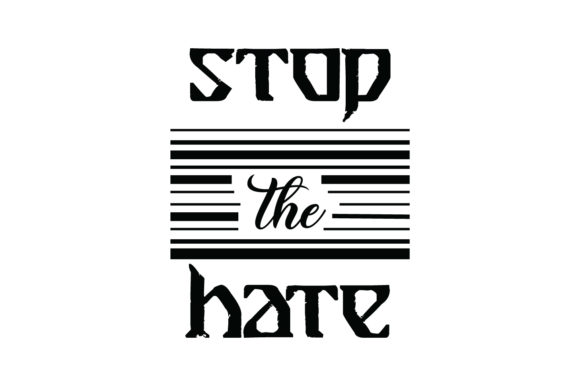
Stop the Hate: A Designer’s Real-World Embroidery Review
As an embroidery designer who has spent years digitizing patterns and reviewing thousands of machine embroidery design files, I have developed a keen eye for what works in the hoop versus what only looks good on a screen. When I first encountered Stop the Hate, my immediate reaction was one of cautious optimism. The phrase itself carries weight, and translating such a powerful message into thread requires a delicate balance between legibility, aesthetic appeal, and technical feasibility. This is not just another decorative motif; it is a statement piece. In this review, I am evaluating Stop the Hate from the perspective of a professional preparing it for real client projects, handmade products, and small business merchandise.
First Impressions and Visual Personality
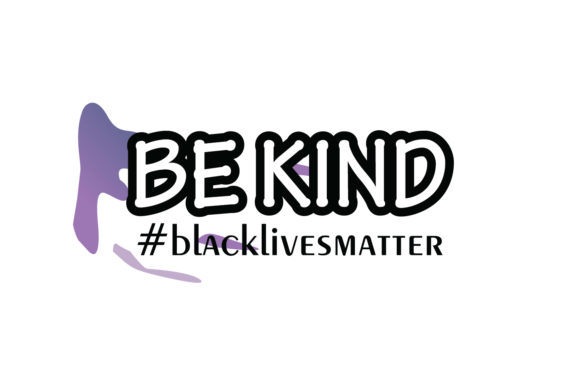
The initial visual impact of Stop the Hate is striking. It does not rely on overly complex shading or intricate gradients that often cause issues in stitching. Instead, it leans into bold typography and clear lines. For a designer, this is a relief. Complex scripts can easily become illegible when scaled down, but the layout here suggests a focus on readability. The mood it creates is assertive yet approachable, making it suitable for a wide range of applications beyond just political statements. It fits comfortably within the Crafts and Graphics categories by offering a clean, modern aesthetic that appeals to contemporary buyers.
What stands out most is the potential versatility. While some designs are locked into a specific niche, this graphic feels adaptable. It could sit comfortably on a casual tote bag, a structured cap, or even as part of a larger collage on a sweatshirt. The visual personality is strong enough to stand alone as a central focal point, which is crucial for items like patches or pillow covers where the design needs to hold its own without excessive background filler.
Real-World Application: The Tote Bag Test
To truly understand how Stop the Hate performs, I mentally walked through a common scenario: creating a custom embroidered tote bag for a local boutique. Tote bags are typically made from canvas or heavy cotton, fabrics that have a distinct texture. When working with textured fabrics, the choice of stitch type becomes critical. If this design relies heavily on satin stitch for the lettering, it will pop beautifully against the weave of the canvas, providing a smooth, glossy contrast to the matte fabric. However, if the design uses too much fill stitch in large areas, it risks becoming stiff and heavy, which is undesirable for a bag that needs to remain flexible.
In this context, Stop the Hate shines as a tote bag design because of its likely moderate density. A design that is too dense can pucker thin fabrics, but on a sturdy tote, it adds a premium feel. Customers interacting with this handmade product would appreciate the tactile quality of the raised threads. It transforms a simple utility item into a personalized gift with a message. For an Etsy seller, this means higher perceived value. The design does not look like a cheap print; it looks like intentional craftsmanship.
Apparel and Custom Sweatshirts
Moving from accessories to apparel, let’s consider sweatshirt embroidery. This is a high-demand category for small shop owners. When placing Stop the Hate on a fleece or cotton-blend sweatshirt, the stretch of the fabric becomes a factor. Here, the importance of a proper stabilizer cannot be overstated. Without adequate backing, even the best-digitized design can distort after washing. I recommend testing this design on scrap fabric first, specifically using a cut-away stabilizer for knit fabrics to ensure the letters remain crisp over time.
The placement on a sweatshirt also matters. Centered on the chest, the design acts as a bold statement. On the sleeve or near the hem, it serves as a subtle accent. Because the design appears to have clean edges, it should handle the curvature of a sleeve well, provided the hoop size is appropriate. If the design includes tiny details or serifs, those might get lost in the pile of the fleece, so checking the stitch density and simplifying any microscopic elements during the digitizing or editing phase is a smart move.
Technical Considerations for Crafters
For those downloading this file, understanding the included formats is essential for a smooth workflow. The package includes an Ai file for Adobe Illustrator, a Cdr file for CorelDRAW, a DXF cut file for Silhouette Studio, and an EPS cut file. This variety indicates that the creator intends for this to be used across multiple platforms, not just embroidery machines. However, as an embroidery reviewer, I must note that these are primarily vector and cut files. If you are using an embroidery machine, you will need to ensure you have the correct embroidery-specific file format (such as PES, DST, or JEF) compatible with your machine. If the download does not explicitly list embroidery machine formats, you may need to use software to convert the vector paths into stitches, or confirm with the seller if machine-ready files are included in the full 8-file set.
When working with the DXF or EPS files for cutting machines, the precision of the lines allows for clean vinyl cuts or heat transfer applications, which can be combined with embroidery for mixed-media projects. This versatility makes Stop the Hate a valuable asset for design assets libraries. For pure embroidery, if you are converting from vector, pay close attention to corner sharpness. Vector lines are infinitely sharp, but needles have physical limitations. Rounding off extreme corners slightly can prevent thread breaks and bird-nesting during the stitching process.
Navigating Fabric and Hoop Constraints
Not every project is ideal for every design. Stop the Hate should be used carefully on certain materials. For instance, on thin, slippery fabrics like silk or rayon, a design with high stitch count can cause significant puckering. In these cases, using a floating hoop technique and a heavy-duty stabilizer is mandatory. Similarly, on dark fabrics, thread color contrast is vital. If the design is intended to be stitched in white or light colors on black fabric, ensure that the underlay stitches are sufficient to prevent the dark fabric from showing through the top stitches. This is particularly important for maintaining the professionalism of the finished product.
Curved surfaces, such as caps, present another challenge. If you plan to use this as cap embroidery, you must check the height of the design against your cap frame. Tall, narrow designs often work better on hats than wide, sprawling ones. If Stop the Hate has a wide aspect ratio, it might need to be resized or split, which could compromise the integrity of the message. Always measure your hoop area before committing to the stitch-out.
Commercial Viability and Brand Consistency
For commercial embroidery professionals and craft business owners, the licensing terms are paramount. Before selling any small shop product featuring this design, confirm the license agreement. Can you sell finished physical items? Can you use the digital file in products you sell? Most designers allow the sale of finished physical goods but prohibit the resale of the digital file itself. Assuming the license permits commercial use, Stop the Hate offers strong brand consistency for shops focused on social justice, community support, or modern minimalist aesthetics. It enhances buyer engagement because it resonates emotionally with customers looking for meaningful holiday embroidery or everyday wear that reflects their values.
In conclusion, Stop the Hate is a robust addition to any designer’s library. Its strength lies in its clarity and adaptability. Whether you are creating a baby embroidery item with a softer message variant, a rugged embroidered patch for a jacket, or a sleek custom apparel line, this design holds up under scrutiny. Just remember to test on scraps, respect the fabric limitations, and verify your file compatibility. With careful execution, it will elevate your portfolio and delight your customers.