Eat Sleep Yoga Repeat: A Designer’s Review
As a designer who has spent years digitizing patterns and reviewing countless files for commercial use, I approach every new machine embroidery design with a critical eye. It is not just about whether the image looks cute on a screen; it is about how those lines translate into thread, how the tension holds up on fabric, and whether the final finished product justifies the time and material cost. Recently, I evaluated the Eat Sleep Yoga Repeat design, a popular motif in the wellness and lifestyle niche. This review breaks down its practical application for embroidery designers, Etsy sellers, and craft business owners looking to add high-quality items to their inventory.
First Impressions and Visual Personality
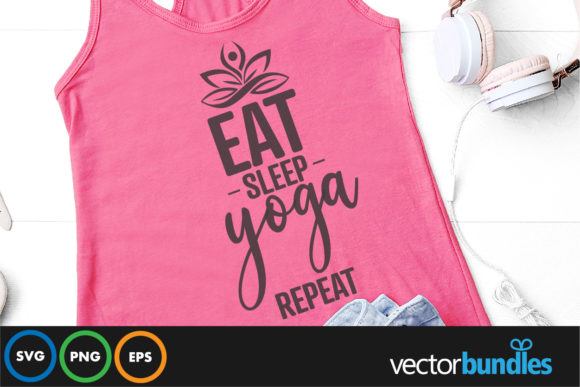
The first thing that strikes you about Eat Sleep Yoga Repeat is its clean, rhythmic layout. The typography suggests a balance between playfulness and mindfulness, which is essential for the yoga demographic. From a graphic design perspective, the spacing appears consistent, avoiding the cluttered look that plagues many low-quality digital embroidery file packages. The theme is universally recognizable, tapping into the "self-care" trend that continues to drive sales in handmade markets.
For a crafter, the mood this design creates is calming yet active. It does not scream for attention with overly complex details; instead, it relies on clear legibility. This simplicity is a strength. In the world of Crafts and Graphics, simple often sells better because it translates reliably across different mediums. Whether you are creating a tote bag design for a local studio or a sweatshirt embroidery piece for a boutique, the visual personality here is versatile. It feels modern, unisex, and approachable, making it suitable for a wide range of customers beyond just hardcore yoga practitioners.
Real-World Application: The Custom Tote Bag Scenario
To truly test the viability of this design, I imagined a real-life scenario: producing a batch of custom canvas tote bags for a yoga instructor’s end-of-season gifts. Canvas is a sturdy, textured fabric that can be tricky for detailed work. Here, the Eat Sleep Yoga Repeat design shines because of its likely reliance on bold lines rather than micro-details. When stitching on textured fabrics like canvas or heavy cotton, designs with adequate spacing prevent the threads from merging into an unreadable blob.
In this context, the design would likely perform well as a central chest placement or a large back print. For a personalized gift, the clarity of the text ensures that the message is read instantly. If I were selling this as a small shop product, I would pair it with earthy thread colors—sage green, slate blue, or terracotta—to enhance the organic feel. The design’s structure allows for creative color blocking, where each word could potentially be a different shade, adding depth without increasing stitch complexity.
Versatility Across Product Lines
Beyond tote bags, this motif has strong potential in several other categories. For baby embroidery, scaling down the design for a onesie or a burp cloth requires careful attention to detail. If the original file is too dense, shrinking it might cause puckering. However, if the digitization uses appropriate running stitch outlines and minimal fill stitch density, it could work beautifully on soft knits. Similarly, for holiday embroidery projects, such as New Year’s resolution-themed gifts, this design fits the "new me" narrative perfectly.
For commercial embroidery clients, such as gym owners or wellness coaches, this design serves as excellent branding material. It can be applied to aprons for studio staff, caps for outdoor classes, or even pillow covers for meditation corners. The key is consistency. Using the same embroidery file across different products helps build brand recognition. As an applique design variant, if available or if adapted, it could reduce stitch count significantly on larger items like blankets, making production faster and more cost-effective.
Technical Considerations and Stitching Challenges
While the aesthetic is appealing, a professional reviewer must address the technical realities. The product description notes that you receive SVG, PNG, and EPS formats, compatible with software like Cricut Design Space and Silhouette. It is crucial to note that these are primarily vector and image formats, not native machine embroidery formats like PES or DST. This means the user must either use conversion software or, more ideally, ensure they have access to the proper embroidery-specific files if they intend to stitch directly on a machine. If you are using this for cut-and-sew projects or heat transfer vinyl (HTV) via Cricut, the SVG and EPS files are perfect. For machine stitching, you must verify if true embroidery files are included or if you are expected to digitize from the vectors.
Assuming proper digitization or file availability, consider the stitch density. Text-based designs often suffer from tight lettering. If the kerning is too tight, the satin stitch columns may overlap, causing thread breaks or bird-nesting. I recommend testing the design on scrap fabric identical to your final project material. Check the underlay stitches; a good design will have a solid foundation to prevent shifting on stretchy fabrics like jersey or fleece.
Fabric and Hoop Constraints
Placement matters. On curved surfaces like caps, the center of the design must align perfectly with the cap’s seam to avoid distortion. For embroidered patch creation, this design’s self-contained shape is ideal. It does not rely on external borders, making it easy to cut out and iron on. However, be cautious with dark fabrics. If the design relies on light thread colors, ensure you use a matching underlay or stabilizer to prevent the background fabric from showing through the stitches, which can ruin the crispness of the letters.
Always use the correct stabilizer. For lightweight fabrics like tea towels or baby clothes, a cut-away stabilizer is non-negotiable to maintain shape after washing. For sturdy items like tote bags, a tear-away might suffice, but testing is key. Remember, the perceived quality of a handmade product often hinges on the backside of the embroidery. Clean trimming and proper stabilization reflect professionalism and increase customer trust.
Commercial Value and Brand Consistency
From a business standpoint, Eat Sleep Yoga Repeat is a strong asset for an Etsy seller or creative entrepreneur. It targets a specific, passionate niche. Wellness products often command higher price points because customers associate them with self-improvement and health. By offering this design on high-quality blanks, you elevate the perceived value of the item. It is not just a shirt; it is a statement of lifestyle.
When creating printable mockup images for your online store, ensure the lighting highlights the texture of the thread. Buyers want to see the dimensionality of the embroidery. Use these design assets to create cohesive collections. Pair this design with other mindfulness motifs to offer bundle deals. This strategy increases average order value and encourages repeat business. Always confirm licensing terms before selling. While the file formats suggest compatibility with cutting machines, ensure you have the commercial rights to sell the physical embroidered items if you are purchasing this as a digital product.
Final Verdict for Makers
The Eat Sleep Yoga Repeat design offers a solid foundation for various embroidery project types. Its strength lies in its clarity and thematic relevance. For designers and makers, it provides a reliable template that, when executed with proper technique, results in a polished, professional-looking item. Whether you are creating custom apparel for a client or stocking your small shop product line, this design holds up under scrutiny. Just remember to verify the file types for your specific machine, test your tension settings, and choose fabrics that complement the design’s open, airy feel. With careful execution, this motif can become a staple in your portfolio of best-selling goods.