Reviewing Best Brother Ever for Real Embroidery Projects
As a designer who has spent years digitizing and stitching thousands of designs, I have learned that a pretty preview image rarely tells the whole story. When I first opened the file package for Best Brother Ever, my immediate goal was not just to admire the aesthetics, but to determine if this graphic would hold up under the needle. In the world of Crafts and digital Graphics, there is a significant gap between what looks good on a screen and what performs well as a machine embroidery design. This review breaks down my practical experience evaluating this asset for real-world application, from client commissions to my own small shop inventory.
First Impressions and Visual Personality
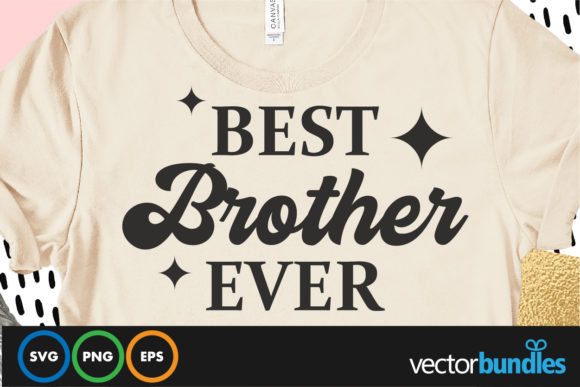
The mood of Best Brother Ever is instantly recognizable: it is warm, celebratory, and familial. The layout suggests a design meant to highlight a relationship, likely featuring bold typography or iconic sibling imagery. For an embroidery designer, the first thing I look for is the balance between negative space and detailed elements. A design that is too dense can pucker lightweight fabrics, while one that is too sparse may lack impact on textured materials.
Visually, this design feels versatile. It does not scream "trendy" in a way that will date itself within six months. Instead, it leans into timeless sentimentality, which is crucial for personalized gifts. When I imagine this stitched out, I see clean lines and a structure that should translate well into thread. However, because the product description indicates you receive SVG, PNG, and EPS files compatible with software like Cricut Design Space and Silhouette, it is vital to clarify a common misconception. These are primarily vector and raster graphics formats, not native machine embroidery files like PES or DST. This means the end-user must either use these graphics for print-on-demand projects or digitize them separately for machine stitching. If you are an embroiderer, you will need to convert these graphics into a stitch file, paying close attention to stitch density and underlay.
Real-World Application Scenarios
To truly test the viability of Best Brother Ever, I mentally placed it into several common production scenarios. Here is how it performs across different mediums:
- Custom Apparel: On a sweatshirt or hoodie, this design shines. The thicker fabric of a fleece garment can handle the weight of embroidery or heat-transfer vinyl derived from the SVG. The contrast of bright thread colors against heather grey or navy creates a high-value finished product that appeals to Etsy sellers.
- Tote Bag Design: Canvas tote bags are a staple for craft businesses. Using the PNG transparent file for printing or the SVG for cutting vinyl appliqués works seamlessly here. The design’s layout fits well within standard hoop sizes or print areas, making it a reliable choice for boutique branding.
- Baby Embroidery: For baby items, softness is key. If digitizing this for a onesie, I would recommend using a lighter fill stitch or reducing the density to prevent stiffness. The sentimental value of a "Best Brother" gift makes it a strong seller for baby showers and sibling announcement packages.
- Embroidered Patches: The clear boundaries in the graphic suggest it would make an excellent iron-on patch. Using a satin stitch border around the design elements can give it a professional, merchandise-ready look that elevates perceived value.
Navigating Technical Challenges
While Best Brother Ever is visually appealing, there are areas where caution is required. If you are converting these Graphics into a machine embroidery design, pay close attention to any small lettering or intricate details. Tiny text often gets lost in stitching, especially on textured fabrics like terry cloth towels or waffle-knit blankets. I always advise testing a sample on scrap fabric first. Check how the thread colors interact with the fabric texture. A dark thread on a dark fabric may lose definition, so adjusting the stitch angle or adding a running stitch outline can help maintain clarity.
Another consideration is the hoop size. Ensure that the scaled design fits comfortably within your machine’s maximum hoop area without encroaching on the edges. For curved surfaces like caps, the design needs to be adjusted for distortion. A flat graphic may look warped when stitched onto a structured cap, so proper digitizing techniques are essential to maintain the integrity of the message.
Enhancing Product Value and Brand Consistency
For small business owners and creative entrepreneurs, the choice of design assets directly impacts brand consistency. Best Brother Ever offers a professional look that can enhance customer trust. When a buyer receives a personalized gift that looks crisp and well-executed, they are more likely to leave positive reviews and return for future purchases. The versatility of the included formats allows for multi-channel selling. You can use the SVG for digital cut files sold on Etsy, the PNG for printable mockups in your listings, and the EPS for large-format printing if you expand into home decor items like pillow covers or aprons.
Using high-quality source files reduces the time spent cleaning up vectors or raster images. This efficiency allows you to focus on the craftsmanship of the final product. Whether you are creating holiday embroidery for Christmas gifts or year-round custom apparel, having reliable design assets streamlines your workflow.
Practical Designer Notes for Success
Before launching this design into your production line, consider these practical steps to ensure quality:
- Verify Licensing: Always confirm the license terms before selling finished items. While the files are compatible with many software programs, commercial use rights vary. Ensure you are compliant with the creator’s terms for your craft business.
- Test Stitch Density: If digitizing from the SVG or EPS, avoid overly dense fill stitches. High density can cause fabric puckering and break needles. Aim for a balanced stitch count that provides coverage without bulk.
- Check Color Contrast: Use the PNG transparent file to create mockups on both light and dark backgrounds. This helps you plan thread color palettes that ensure readability and visual appeal.
- Stabilizer Selection: Match your stabilizer to the fabric. Cut-away stabilizer is best for stretchy fabrics like t-shirts, while tear-away works well for stable woven fabrics like tote bags or aprons.
- Inspect Small Details: Zoom in on the EPS or SVG file. Look for stray nodes or complex curves that might cause stitching issues. Simplify paths where necessary to ensure smooth machine operation.
Final Verdict on Usability
In the competitive landscape of handmade products, having access to versatile design assets like Best Brother Ever is a significant advantage. It bridges the gap between digital convenience and tactile craftsmanship. While it requires some technical knowledge to convert these Graphics into a stitch-ready format for machine embroidery, the potential applications are vast. From nursery decor to adult apparel, this design supports a wide range of creative projects.
For the experienced designer, it offers a solid foundation for customization. For the hobbyist, it provides a professional starting point for meaningful gifts. By approaching this design with a critical eye toward fabric choice, stitch technique, and end-use functionality, you can transform a simple digital file into a cherished physical object. Remember, the success of any embroidery project lies not just in the design itself, but in how thoughtfully it is executed. Take the time to test, adjust, and refine, and Best Brother Ever will serve as a reliable asset in your creative toolkit.