Reviewing the Black Lives Matter Design for Real Embroidery Projects
As a designer who has spent countless hours digitizing and stitching out machine embroidery design files, I approach every new asset with a critical eye. It is not enough for a graphic to look good on a screen; it must translate flawlessly into thread and fabric. Recently, I evaluated the Black Lives Matter design set to determine its viability for client work and small business merchandise. This review focuses on practical application, stitch quality, and commercial potential rather than just aesthetic appeal.
First Impressions and Visual Personality
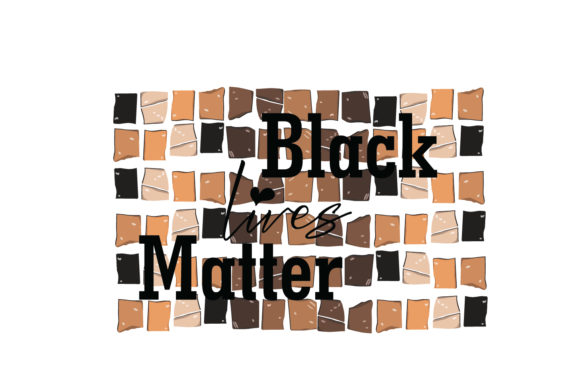
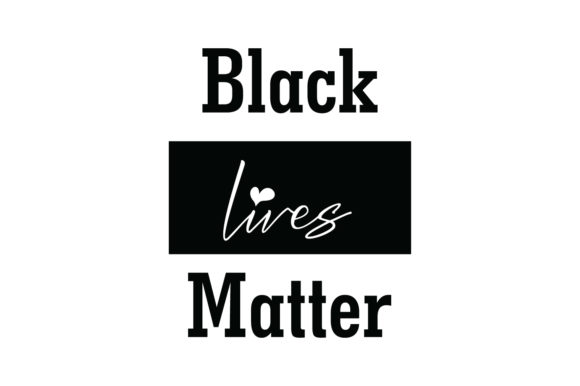
The immediate impact of the Black Lives Matter design is one of bold clarity. In the world of Crafts, particularly in socially conscious apparel, legibility is paramount. The layout appears structured to maximize readability, which is crucial when working with thread colors that may blend into certain fabric textures. The visual personality is serious yet empowering, making it suitable for a wide range of products from casual wear to statement home decor.
When viewing the source files, such as the Ai and Cdr formats, the vector paths seem clean. This is a positive indicator for digitizers who might need to tweak the design before converting it into an embroidery file. For those using the provided digital assets directly, the expectation is that the transition from vector to stitch has been handled with attention to detail, avoiding unnecessary jumps or overly dense areas that could pucker lightweight materials.
Real-World Application: The Custom Tote Bag Scenario
To test the practicality of this design, I imagined a common scenario for an Etsy seller: creating a custom tote bag design for a local community event. Canvas tote bags are sturdy, but they have a distinct weave that can interfere with fine details. The Black Lives Matter design, with its strong lines, holds up well against this texture. Unlike intricate applique design work that might get lost in the canvas grain, this graphic relies on solid shapes and clear typography.
For a project like this, I would recommend using a heavy-cut stabilizer to prevent the fabric from shifting during stitching. The design’s structure suggests it would work beautifully with a combination of fill stitch for the larger letter bodies and satin stitch for borders or accent elements, assuming the digitization supports these techniques. The result is a handmade product that feels professional and durable, capable of withstanding the frequent washing that tote bags endure.
Versatility Across Product Lines
Beyond tote bags, this design shows promise for sweatshirt embroidery. Hoodies and crewnecks offer a plush surface that benefits from designs with moderate to high stitch density. The Black Lives Matter graphic can serve as a central chest piece or a smaller left-chest logo. For custom apparel, the contrast between the thread and the garment color is vital. On a black sweatshirt, white or gold thread would create a striking effect, while on heather gray, a deep navy or black thread with a subtle sheen could offer a more understated, sophisticated look.
For baby embroidery projects, such as onesies or nursery decor, caution is advised. While the message is universal, the scale of the design must be reduced carefully. Small hoop sizes require a simplified version of the design to ensure that tiny lettering does not become a tangled mess of thread. If the original file includes multiple sizes, selecting the smallest optimized version is essential for maintaining clarity on delicate fabrics.
Technical Considerations for Stitching Success
Working with any digital embroidery file requires technical due diligence. Here are specific factors to consider when using the Black Lives Matter design:
- Hoop Size and Placement: Ensure your machine’s hoop can accommodate the full width of the design. For curved surfaces like caps, a smaller, centered variation is preferable to avoid distortion.
- Stitch Density: Check the density settings. High density on stretchy fabrics like jersey t-shirts can cause tunneling. Using a water-soluble topping can help keep stitches flat and visible.
- Thread Contrast: Test the design on both light and dark fabrics. A design that looks sharp on white cotton may disappear on navy blue if the thread choice is not carefully selected.
- File Formats: The package includes DXF and EPS files, which are excellent for cut files using Silhouette Studio or other cutting machines. This versatility allows for hybrid projects, such as an embroidered patch with a vinyl backing or a mixed-media embroidered patch.
It is important to note that while the download includes vector files like Ai and Cdr, you must confirm whether actual embroidery machine formats (such as PES, DST, or JEF) are included or if you need to digitize these vectors yourself. If you are not a digitizer, ensure you have the correct software to convert these Graphics into machine-readable instructions, or verify that the seller provides pre-digitized versions.
Commercial Viability and Brand Consistency
For craft business owners, the Black Lives Matter design offers significant value. Socially relevant themes often drive engagement and sales, particularly when executed with professionalism. A well-stitched design enhances brand consistency and builds customer trust. Buyers of personalized gift items and holiday embroidery pieces look for quality that reflects care and precision.
Using this design in commercial embroidery projects requires attention to licensing. Always review the terms of use provided with the design assets. Generally, designs purchased for personal use may not be resold as digital files, but finished physical products like shirts or bags are often permitted. Clarifying this ensures your small shop product line remains compliant and professional.
Final Verdict for Makers and Designers
The Black Lives Matter design is a robust addition to any designer’s library. Its strength lies in its simplicity and emotional resonance. When applied to the right materials with proper stabilization and thread selection, it produces a finished product that is both visually appealing and meaningful. Whether you are creating a printable mockup for your online store or stitching a real item for a client, this design performs reliably.
Remember to always test on scrap fabric first. This simple step saves time and materials, ensuring that your final embroidery project meets the high standards expected by today’s discerning customers. By treating this asset with the technical respect it deserves, you can create items that are not only commercially viable but also personally satisfying to produce.