Reviewing the Dog Quote Cut File for Embroidery
As a designer who spends half my life digitizing and the other half stitching, I have learned that not every digital asset translates well to thread. We live in an era where Crafts and digital design intersect constantly, but there is a distinct difference between a file that looks good on a screen and one that performs reliably under a needle. Recently, I evaluated the Dog Quote Cut File to determine its viability for real-world embroidery projects. This isn't just about whether the lines are clean; it is about how the typography and imagery hold up when subjected to the physical constraints of fabric, tension, and thread.
First Impressions: Mood and Visual Personality
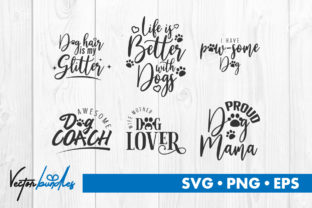
The first thing that strikes you about the Dog Quote Cut File is its inherent warmth. It captures that specific, nostalgic affection we feel for our canine companions. The layout combines lettering with illustrative elements, creating a balanced composition that feels both modern and timeless. For embroidery designers, this balance is crucial. If the text is too thin, it disappears into the fabric pile. If the dog illustration is too dense, it becomes a stiff patch rather than a soft embellishment.
The visual personality here is playful yet refined. It avoids the overly cartoonish extremes that can sometimes cheapen a handmade product. Instead, it offers a sophisticated simplicity that appeals to a broad demographic. Whether you are targeting new puppy owners or seasoned dog lovers, the mood is inviting. This makes it an excellent candidate for personalized gifts where emotional connection drives the purchase decision.
Real-World Application: From Screen to Stitch
To truly test the Dog Quote Cut File, I imagined it applied to a high-quality cotton canvas tote bag. This is a staple item for any Etsy seller or small shop owner. The design’s structure suggests it would work beautifully as a central focal point. When visualizing the stitch-out, I considered how the curves of the lettering would interact with the weave of the canvas. The open spaces in the typography allow the fabric texture to breathe, preventing the design from looking like a heavy plastic sticker.
Beyond tote bags, this design has strong potential for sweatshirt embroidery. On fleece or French terry, the contrast between the soft fabric and the structured stitches adds depth. However, one must be mindful of the stitch density. If the original file is intended primarily as a cut file for vinyl or paper, it may lack the necessary underlay or compensation for fabric stretch. In such cases, a skilled digitizer might need to adjust the pathing to ensure the letters do not pucker the garment.
For those creating baby embroidery items, such as onesies or nursery decor, the gentle nature of the quote fits perfectly. Yet, this application requires extra caution. Baby skin is sensitive, and bulky backings can be uncomfortable. Therefore, using a soft cut-away stabilizer and ensuring no scratchy tails are left on the reverse side is non-negotiable.
Navigating Technical Challenges
While the aesthetic appeal is high, practical execution requires attention to detail. One major consideration is the scale. If you attempt to shrink the Dog Quote Cut File for a small hoop size, such as a 4x4 inch frame for an embroidered patch, you risk losing legibility. Tiny serifs or thin connecting lines in the lettering may break or become indistinguishable once stitched. I always recommend testing the design at its smallest intended size on scrap fabric before committing to a final product.
Fabric choice also plays a pivotal role. On dark fabrics, the design needs sufficient contrast. If the quote relies on fine details, a satin stitch might not provide enough coverage, leading to the fabric showing through. In these instances, switching to a fill stitch or adding a backing layer can enhance visibility. Conversely, on stretchy fabrics like jersey knits for t-shirts, the design must be stabilized properly to prevent distortion during wear and washing.
Another critical area is curved surfaces, such as caps. Embroidering on a cap requires a different approach than flat hooping. The Dog Quote Cut File would need to be centered carefully to avoid wrapping around the curve too aggressively, which can cause thread breaks or misalignment. For holiday embroidery projects, such as Christmas stockings, the design’s versatility allows it to fit well, provided the color palette is adjusted to match seasonal themes.
Enhancing Brand Value and Customer Trust
For commercial embroidery professionals and craft business owners, the quality of your design assets directly impacts your brand perception. Using a well-balanced file like the Dog Quote Cut File signals professionalism. Customers can intuitively sense when a design is crisp and well-executed versus when it is cluttered or poorly adapted for thread. A clean, readable quote builds trust, encouraging repeat buyers and positive reviews.
Moreover, this type of design lends itself well to printable mockups and digital previews. Since the file includes SVG and PNG formats with transparent backgrounds, you can easily create high-quality marketing images for your online store. Showing the design on various products helps customers visualize the final result, increasing conversion rates. It serves as a versatile piece among your design assets, allowing you to offer customization options without starting from scratch each time.
Practical Designer Notes for Best Results
Before you begin stitching, take a moment to review the technical specifications. The product description mentions SVG and PNG files, which are standard for cutting machines and digital printing. However, for machine embroidery, you will likely need to convert or digitize these vectors into a compatible embroidery file format such as PES, DST, or JEF. If you are not a digitizer, consider hiring one or using software that can auto-digitize, keeping in mind that manual editing often yields superior results.
- Test on Scrap Fabric: Always run a test stitch-out on the same type of fabric you plan to use for the final product. This reveals issues with tension, density, and color contrast.
- Check Thread Colors: Select thread colors that complement the fabric. High contrast works for readability, while tonal variations offer a subtle, elegant look.
- Review Stitch Density: Ensure the density is appropriate for the fabric weight. Heavy density on light fabric can cause puckering, while low density on heavy fabric may look sparse.
- Confirm Hoop Size: Verify that the design fits within your machine’s maximum hoop size. If it is larger, you may need to split the design or use a larger hoop.
- Inspect Small Details: Zoom in on the digital file to check for tiny elements that might not stitch out cleanly. Simplify if necessary.
- Licensing Verification: Before selling finished items or digital products, confirm the licensing terms. Ensure you have commercial use rights for the Dog Quote Cut File to avoid legal issues.
In conclusion, the Dog Quote Cut File offers a charming and versatile foundation for various embroidery projects. Its strength lies in its emotional resonance and clean layout. However, successful implementation depends on thoughtful adaptation to the medium. By considering fabric texture, stitch density, and end-use requirements, you can transform this digital graphic into a cherished handmade product. Whether for a custom apparel line, a boutique gift shop, or a personal project, this design holds significant potential when handled with professional care and creative insight.