Reviewing the Farm Quote Cut File for Embroidery
As a designer who spends half my life staring at digitized paths and the other half pulling threads out of bunched-up fabric, I have learned to be skeptical of generic design assets. We are constantly bombarded with design assets that look crisp on a screen but turn into a tangled mess under the needle. Recently, I took a close look at the Farm Quote Cut File to see if it holds up in a real-world embroidery project. This isn’t just about whether the lines are clean; it is about whether this graphic can translate into a high-quality handmade product that customers will value.
First Impressions: Typography Meets Rustic Charm
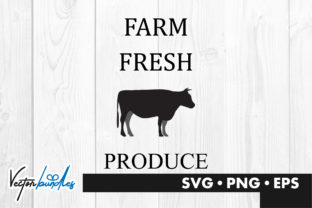
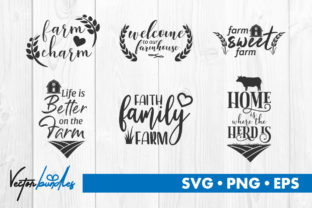
The immediate appeal of the Farm Quote Cut File lies in its typographic personality. In the world of Crafts and Graphics, farmhouse style has evolved from a trend into a staple. The design features bold, readable lettering with a rustic edge. For an embroidery designer, this is promising. Clean, thick lines usually translate well to satin stitches or dense fill stitches, whereas overly thin, sketchy fonts often require complex running stitches that can look messy on textured fabrics.
The mood here is welcoming and grounded. It feels appropriate for kitchen textiles, nursery decor, or casual apparel. When I visualized this on a natural linen tote bag or a heather gray sweatshirt, the aesthetic clicked. It does not scream for attention; rather, it invites a second look. This subtlety is crucial for creating a personalized gift that feels thoughtful rather than mass-produced.
Real-World Application: From Screen to Stitch
To test the viability of this design, I imagined a specific scenario: a custom order for a boutique client launching a line of organic cotton aprons. The goal was to create a small shop product that felt artisanal yet professional. The Farm Quote Cut File serves as the central focal point. Because the design is primarily typographic, it avoids the pitfalls of complex shading or gradient fills that can bog down an embroidery machine.
In this context, the design performs well as a sweatshirt embroidery piece or on heavier canvas materials. The boldness of the letters ensures that the text remains legible even from a distance. For an Etsy seller, this versatility is key. You are not limited to one niche. This same file could easily adapt to a tote bag design for a farmer’s market vendor or serve as a charming accent on a baby embroidery project, provided the scale is adjusted correctly.
However, we must address the file formats. The product description notes that you receive SVG, PNG, and other cut files. As an embroiderer, I do not plug an SVG directly into my machine. I use these vector files as a base in my digitizing software. The clean curves of the SVG make the manual digitizing process smoother, allowing me to define stitch angles and densities with precision. If you are not a digitizer, you will need to convert this graphic into a proper machine embroidery design format compatible with your specific machine.
Navigating Technical Challenges
While the design is strong, it is not without its technical demands. Typography-based designs live and die by their spacing. In embroidery, if letters are too close together, the stitch density can cause the fabric to pucker or the threads to bridge across gaps. When using the Farm Quote Cut File, I recommend paying close attention to the kerning during the digitizing phase. Ensure there is enough breathing room between characters, especially if you plan to use a bulky satin stitch.
Fabric choice is another critical variable. This design would struggle on thin, stretchy jersey knits without significant stabilization. The weight of the thread needs a stable foundation. I would pair this with a medium-weight cutaway stabilizer to prevent distortion after washing. Conversely, on sturdy fabrics like denim or canvas, the design shines. The texture of the fabric complements the raised texture of the embroidery, adding depth to the finished product.
Curved surfaces present another hurdle. If you are applying this to a cap or a rounded pillow cover, the straight lines of the typography may distort. In such cases, consider breaking the design into smaller segments or using a lighter running stitch outline instead of a heavy fill to reduce bulk. Always test on scrap fabric first. What looks perfect on your monitor might pull differently on your actual material.
Commercial Viability and Brand Consistency
For those running a craft business, the commercial potential of this design is high, but it depends on execution. A well-stitched version of this quote adds perceived value. It signals quality. Customers buying a custom apparel item or a home decor piece are looking for durability and aesthetic appeal. If the stitching is clean, with no jumps or loose threads, the design enhances brand trust.
It is important to verify the licensing terms before selling. While the file is marketed for crafts, ensure that your use of the resulting embroidered items complies with the creator’s terms for commercial use. Many digital embroidery file creators allow you to sell the physical item but prohibit reselling the digital file itself. Clarity here protects your small shop product line from legal issues.
Additionally, consider how this design fits into your broader catalog. If your brand focuses on minimalist modernism, this rustic quote might clash. However, if your aesthetic leans toward cozy, traditional, or handmade vibes, it is a perfect fit. Consistency in design language helps build recognition among your buyers.
Practical Designer Notes for Best Results
Before you commit to a large production run or a high-stakes client order, keep these practical tips in mind:
- Test Thread Colors: Do not assume black thread on white fabric is your only option. Try earth tones like olive green, mustard, or terracotta to enhance the farm theme. Contrast is vital for readability.
- Check Hoop Size: Ensure the design fits within your standard hoop sizes. If the quote is long, you may need a larger hoop or a multi-hooping technique, which increases complexity.
- Inspect Small Details: Look closely at any decorative elements accompanying the text. Tiny serifs or flourishes may need to be simplified or removed to prevent thread breaks.
- Mockup Verification: Create printable mockups or digital previews on both light and dark backgrounds. This helps you visualize how the design interacts with different fabric colors before you stitch a single thread.
- Wash Testing: Always wash and dry your test sample. This reveals any issues with shrinkage, thread bleeding, or stabilizer residue that could ruin a customer’s experience.
In conclusion, the Farm Quote Cut File is a solid foundation for various embroidery applications. It offers a timeless aesthetic that resonates with current market trends in home decor and casual wear. However, its success relies entirely on the skill of the digitizer and the care taken in production. By respecting the technical requirements of embroidery—such as stabilizer choice, stitch density, and fabric compatibility—you can transform this simple graphic into a standout embroidered patch, apparel feature, or home accessory. It is a versatile tool for the creative entrepreneur, provided it is handled with professional insight and attention to detail.