Reviewing Home is Where We Park It for Real Embroidery
As a designer who has spent countless hours digitizing patterns and troubleshooting machine errors, I approach every new machine embroidery design with a mix of curiosity and skepticism. We have all been there: you download a file that looks stunning on the screen, only to find it turns into a bird’s nest of thread once the needle hits the fabric. That is why I took a close look at Home is Where We Park It. This isn’t just about aesthetics; it is about functionality, stitch quality, and how well a design translates from a digital concept to a tangible, high-quality finished product.
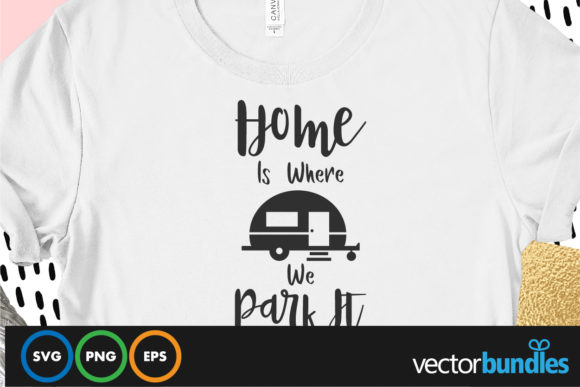
The phrase itself carries a specific cultural weight. It speaks to the RV community, van lifers, and anyone who finds comfort in mobility rather than static roots. When evaluating this piece, my first impression was one of warmth and nostalgia. The layout typically associated with this theme involves a cozy vehicle—often a camper or vintage trailer—paired with welcoming typography. For an embroidery project, this combination of illustrative elements and text presents both opportunities and challenges. The mood is inviting, making it an ideal candidate for personalized items that need to feel handmade and heartfelt.
Real-World Application: The Custom Tote Test
To truly understand the value of Home is Where We Park It, I imagined a real-life scenario. Let’s say you are an Etsy seller preparing for the holiday rush. You want to create a line of durable canvas tote bags for travelers. This design fits perfectly here. The horizontal nature of most "park it" layouts works well on the broad surface of a tote. However, the devil is in the details. If the design relies heavily on tiny text or intricate window details on the vehicle, those elements can get lost in the weave of a heavy canvas.
In my experience, designs like this thrive when they are scaled correctly. If you are stitching this onto a tote bag design, you need to ensure the stitch density is balanced. Too dense, and the fabric puckers; too light, and the backing shows through. Since the product description indicates you receive SVG, PNG, and EPS files, it is crucial to note that these are primarily graphic formats. If you are using these for cut files with a Cricut or Silhouette for heat transfer vinyl (HTV) applications, the clarity of the SVG is paramount. But if you are looking for a true embroidery file (such as PES, DST, or JEF), you must verify if those specific machine formats are included or if this listing is strictly for graphic crafts. Assuming proper digitization is available or created from these vectors, the visual appeal on a tote is undeniable. It signals adventure and comfort, two emotions that drive sales in the craft business sector.
Versatility Across Apparel and Home Decor
Beyond totes, where else does this design shine? I see strong potential in sweatshirt embroidery. A crewneck sweatshirt provides a stable, thick fabric that handles medium-density stitching beautifully. Placing Home is Where We Park It on the left chest creates a subtle, professional look, while a larger back placement makes a bold statement. For custom apparel, the contrast between the thread colors and the garment is key. A cream-colored thread on a navy sweatshirt offers classic readability, while earthy tones like sage green or terracotta can enhance the rustic, outdoor vibe of the camper motif.
For baby embroidery or nursery decor, the context shifts. You might use a softer, whimsical version of this design on a onesie or a baby blanket. Here, the thread colors should be pastel or muted to suit the delicate nature of the item. However, caution is needed. Babies have sensitive skin, so ensuring that the back of the embroidery is clean and free of scratchy stabilizer remnants is non-negotiable. Using a soft cut-away stabilizer is essential for stretchy fabrics like cotton jersey to prevent distortion after washing.
Another excellent application is the embroidered patch. Patches are trending in the small shop product market because they allow customers to customize their own gear. If you stitch Home is Where We Park It onto twill or felt and finish it with a merrowed edge, you create a durable accessory that can be ironed onto jackets, hats, or backpacks. This extends the life of the design and adds value to your design assets portfolio.
Technical Considerations and Potential Pitfalls
While the aesthetic is strong, we must discuss where this design requires careful handling. One common issue with typography-heavy designs is legibility. If the font used in Home is Where We Park It has thin serifs or tight kerning, it may not stitch out cleanly at smaller sizes. I always recommend testing the design on scrap fabric first. Check the smallest letters. Do they fill in completely, or do you see gaps? If you are working with a hoop size constraint, such as a 4x4 inch hoop on a cap, you may need to simplify the design or remove certain decorative elements to maintain clarity.
Fabric texture also plays a massive role. On textured fabrics like terry cloth towels or fluffy fleece, small details can disappear. In these cases, a satin stitch border around the text or the main vehicle shape can help define the edges. For dark fabrics, ensure your digitizing includes an underlay stitch that covers the background color effectively, preventing the dark fabric from peeking through lighter thread colors. This is particularly important for maintaining the professionalism of your commercial embroidery work.
Additionally, consider the curvature of the item. Stitching on a curved surface, like a baseball cap, requires different tension settings than flat embroidery. If the design is wide, it might distort on the front panel of a cap. In such cases, splitting the design or choosing a vertical layout variant—if available—would be smarter. Always inspect the stitch density map if you have access to the editing software. High-density areas on stretchy fabrics can cause tunneling, where the fabric pulls up between stitch lines.
Enhancing Brand Value and Customer Trust
From a business perspective, using a well-executed design like Home is Where We Park It can significantly boost your brand consistency. It appeals to a niche but passionate audience. When customers see a clean, well-stitched design, it builds trust. They perceive the handmade product as high-quality and worth the price. This is especially true for personalized gift markets, where buyers are often looking for something unique that mass-produced items cannot offer.
Creating a printable mockup or a high-quality photo of the stitched design is vital for online listings. Show the texture of the threads. Highlight the neatness of the bobbin work on the back. These details reassure buyers that you are an experienced maker. Whether you are selling the digital embroidery file itself or the finished item, transparency about what the buyer receives is key. Since the package includes SVG, PNG, and EPS, clarify if these are for cutting machines or if they are source files for further digitization. Misunderstandings here can lead to negative reviews.
Final Designer Notes
Before you launch your next campaign featuring Home is Where We Park It, take these practical steps. First, confirm the license terms. Can you sell finished products? Can you share the file? Knowing this protects your craft business legally. Second, test on various fabrics. A design that looks great on cotton might fail on polyester. Third, pay attention to thread choice. Metallic threads can add a nice shine to the vehicle windows but require slower machine speeds and careful tension adjustments.
In conclusion, this design holds strong potential for makers who understand the technical side of embroidery. It is not just a pretty picture; it is a tool for connection. When executed with care, respecting the limits of the fabric and the machine, Home is Where We Park It becomes more than thread on cloth. It becomes a story, a memory, and a valuable addition to your portfolio of Crafts and Graphics. Keep your needles sharp, your tension balanced, and your creativity flowing.